
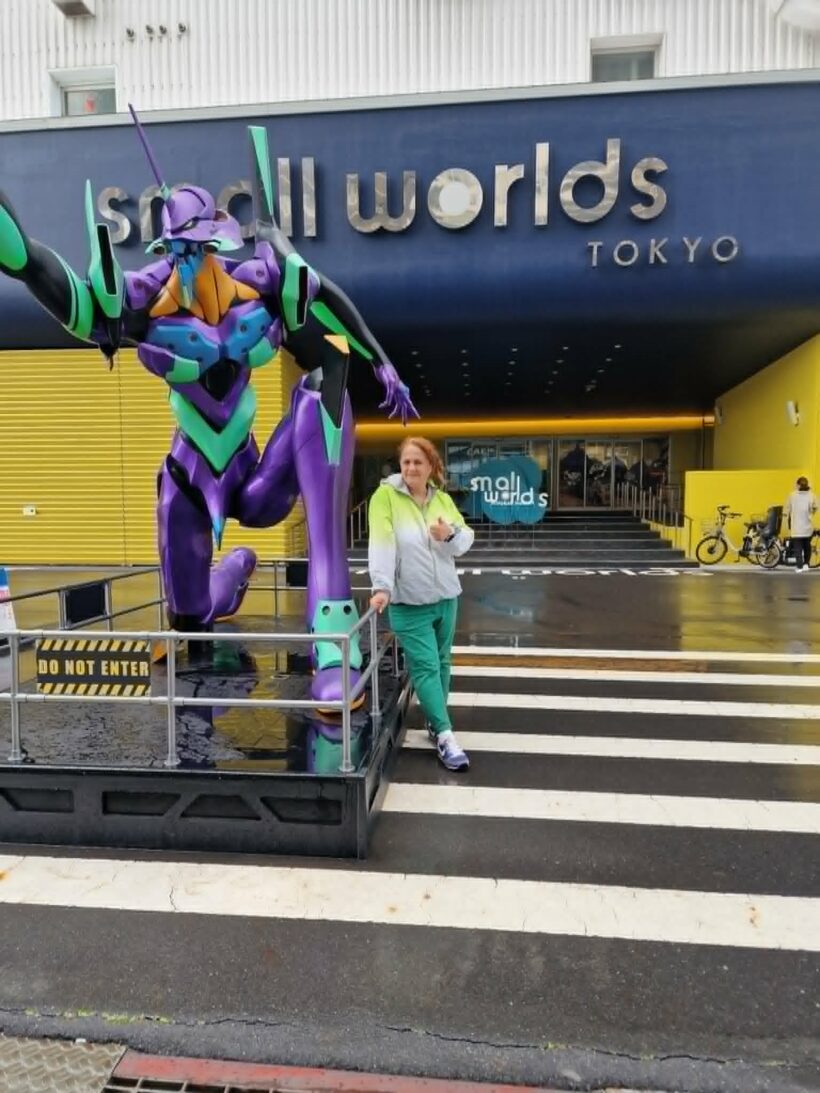
Why Small Worlds Tokyo Is One of the City’s Most Unexpected Attractions
Small Worlds Tokyo was one of the biggest surprises of our trip to Japan. There are places you visit with high expectations and leave slightly disappointed. Then there are places like Small Worlds Tokyo—places you enter without expecting much, only to spend hours exploring every detail.
That was Small Worlds Tokyo for us.

We arrived convinced we would spend no more than an hour looking at a few miniature models and dioramas. After all, how long can you stare at tiny buildings and figurines? Several hours later, we were still there.
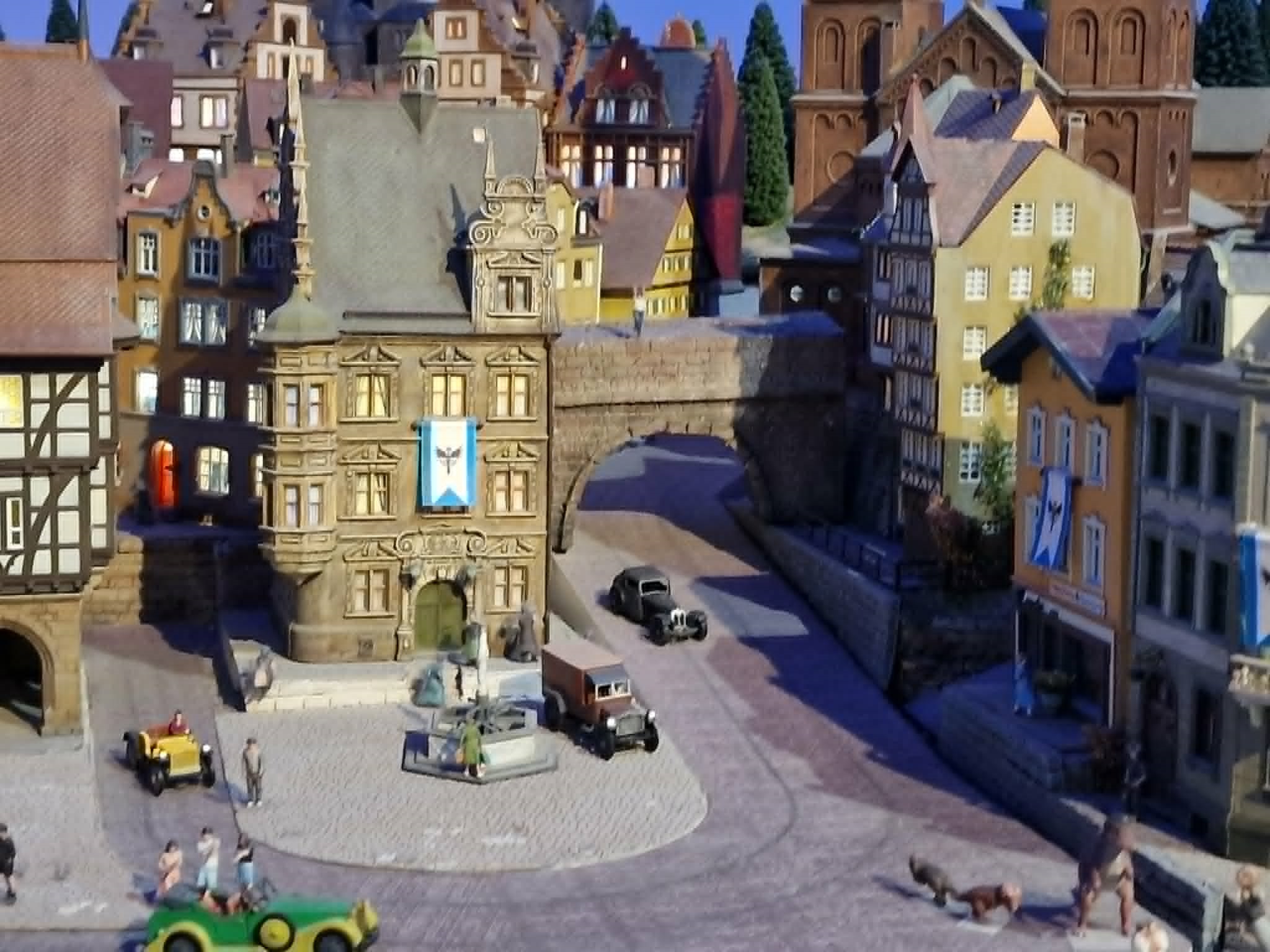
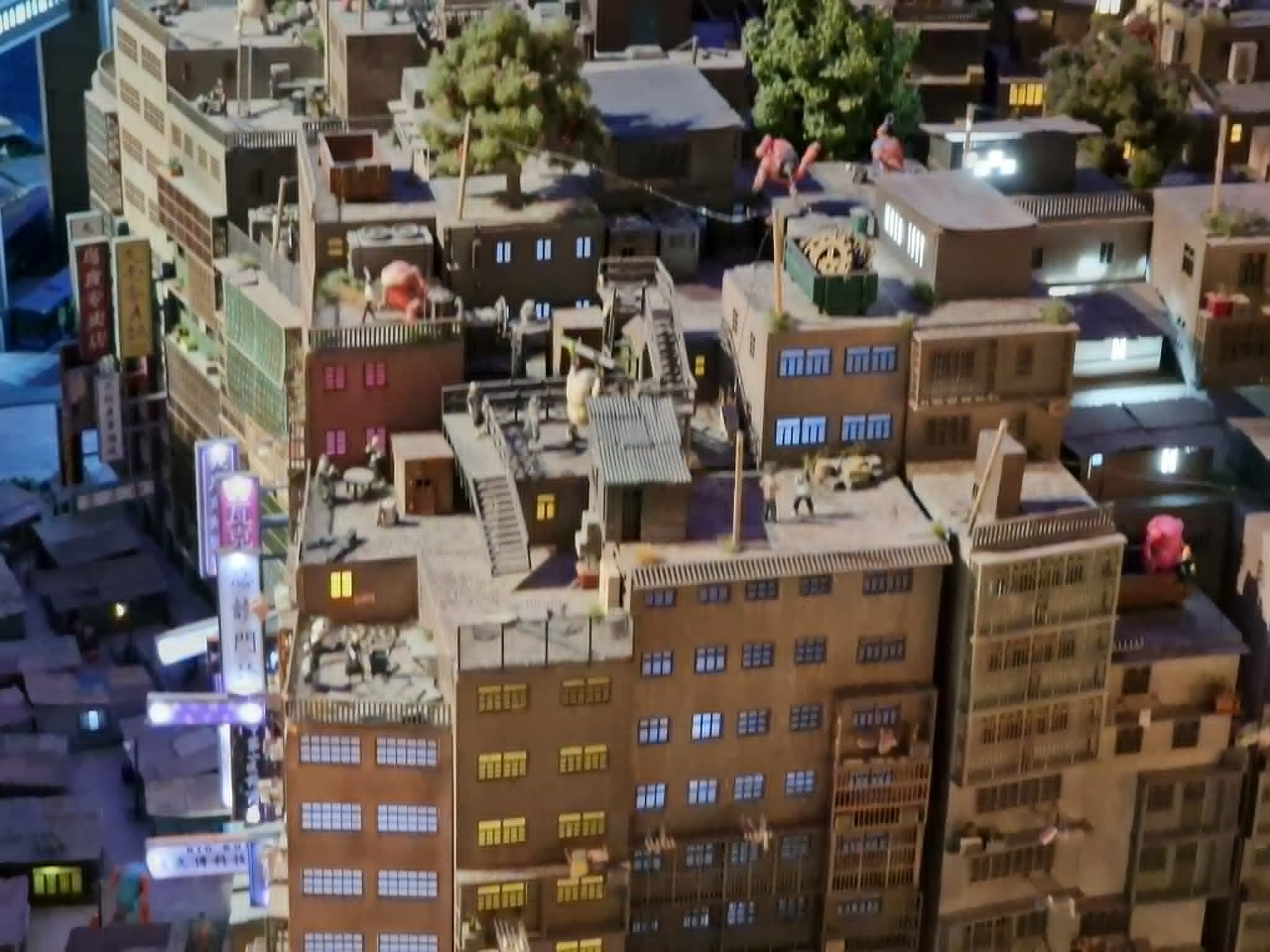
We found ourselves studying people barely two centimeters tall, watching miniature trains travel through entire cities, observing busy airports, and discovering hundreds of tiny scenes hidden in every corner. With every passing minute, we began to understand something the Japanese have mastered better than anyone else: the art of detail.
Small Worlds Tokyo and the New Face of Tokyo
Part of the experience begins before you even enter the museum. Small Worlds Tokyo is located in Ariake, one of the newest and most modern districts of the Japanese capital. Built on reclaimed land along Tokyo Bay, the area was heavily developed as part of the infrastructure projects for the Tokyo 2020 Olympic Games, which were ultimately held in 2021.
If Asakusa represents traditional Tokyo and Shibuya represents its energy and chaos, Ariake feels like the city of the future. Wide boulevards, modern buildings, open spaces, and a clean, organized atmosphere make it feel completely different from the Tokyo most visitors know.
Perhaps that is why Small Worlds fits so perfectly into its surroundings.
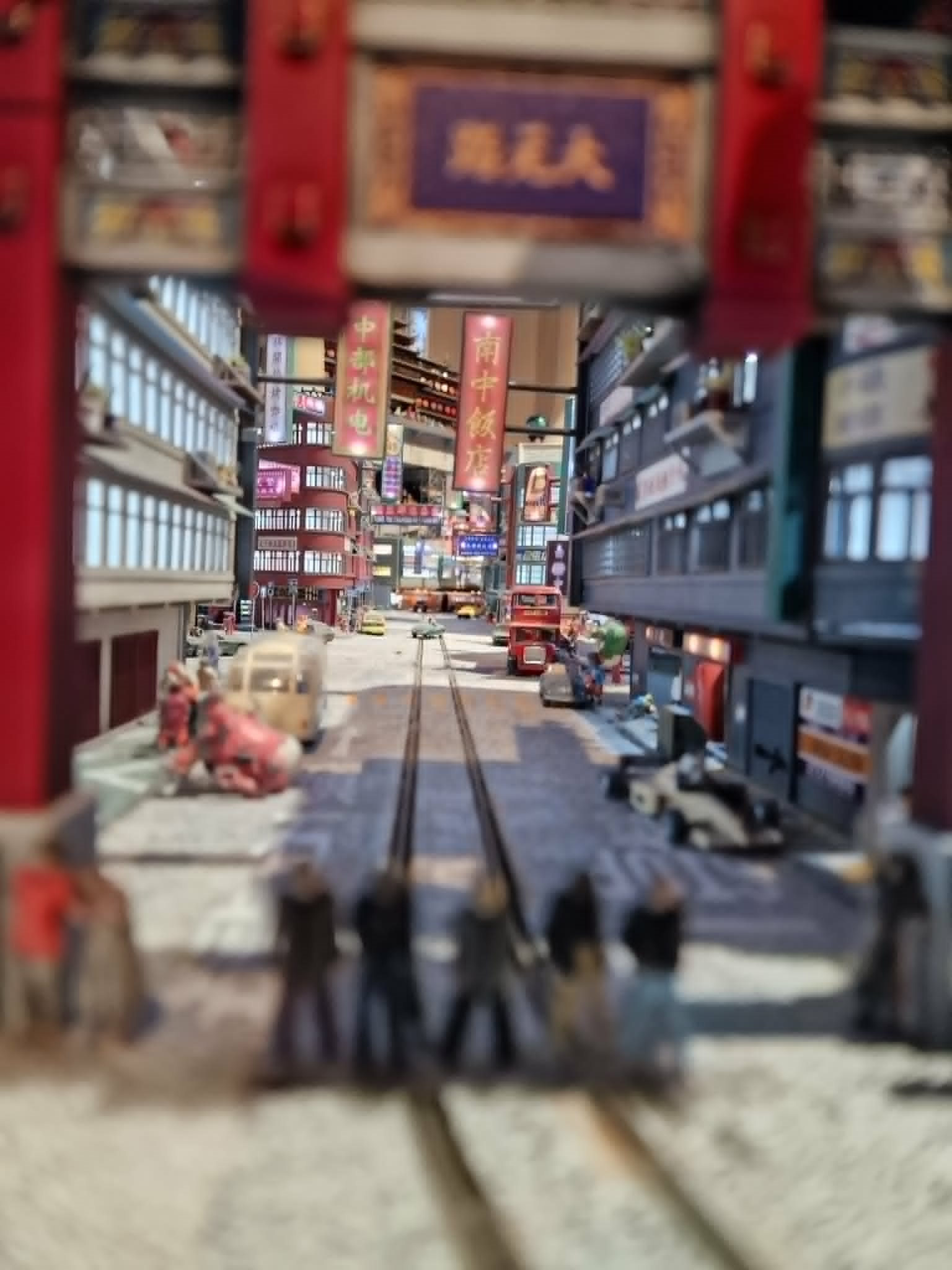
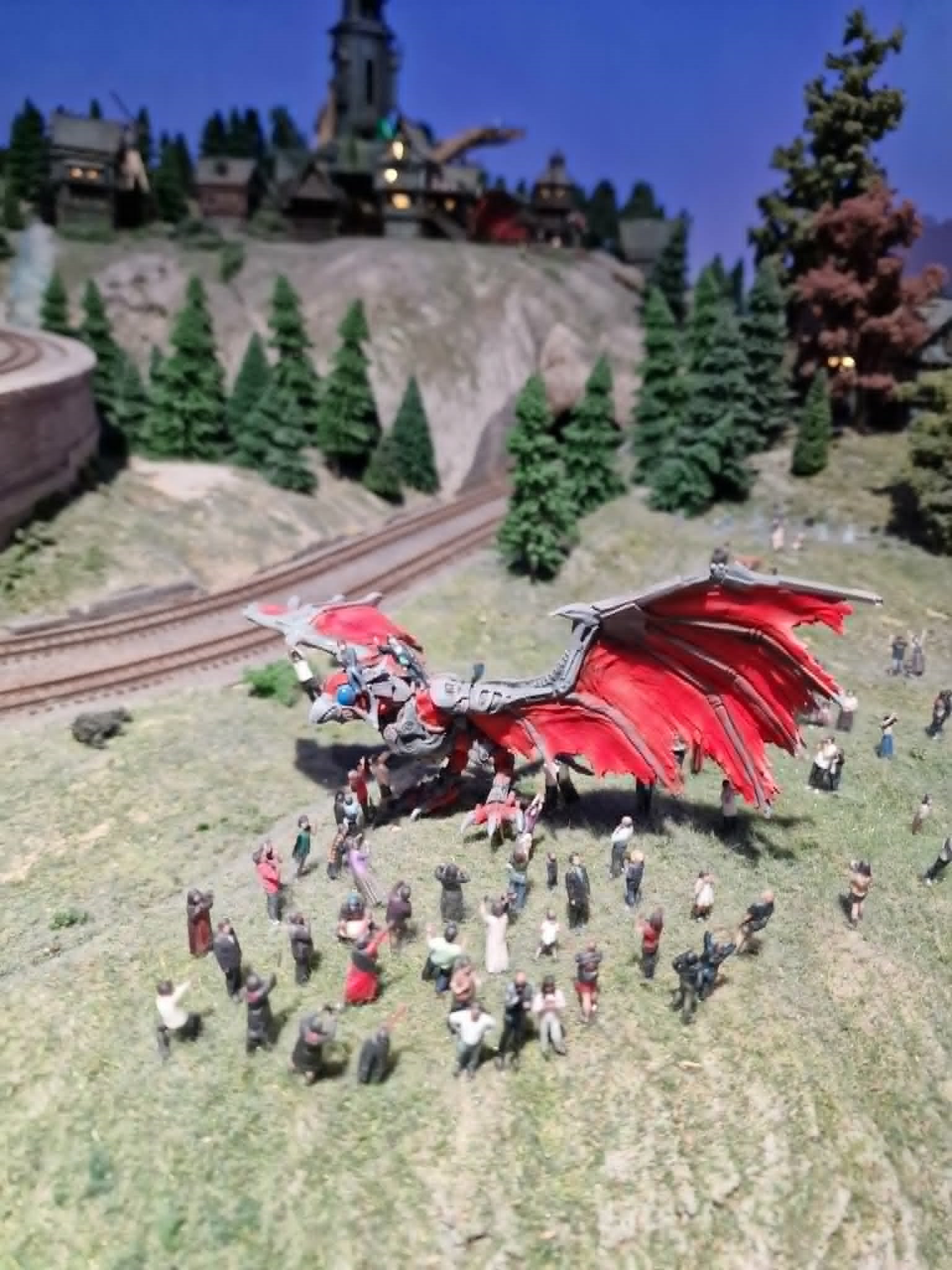
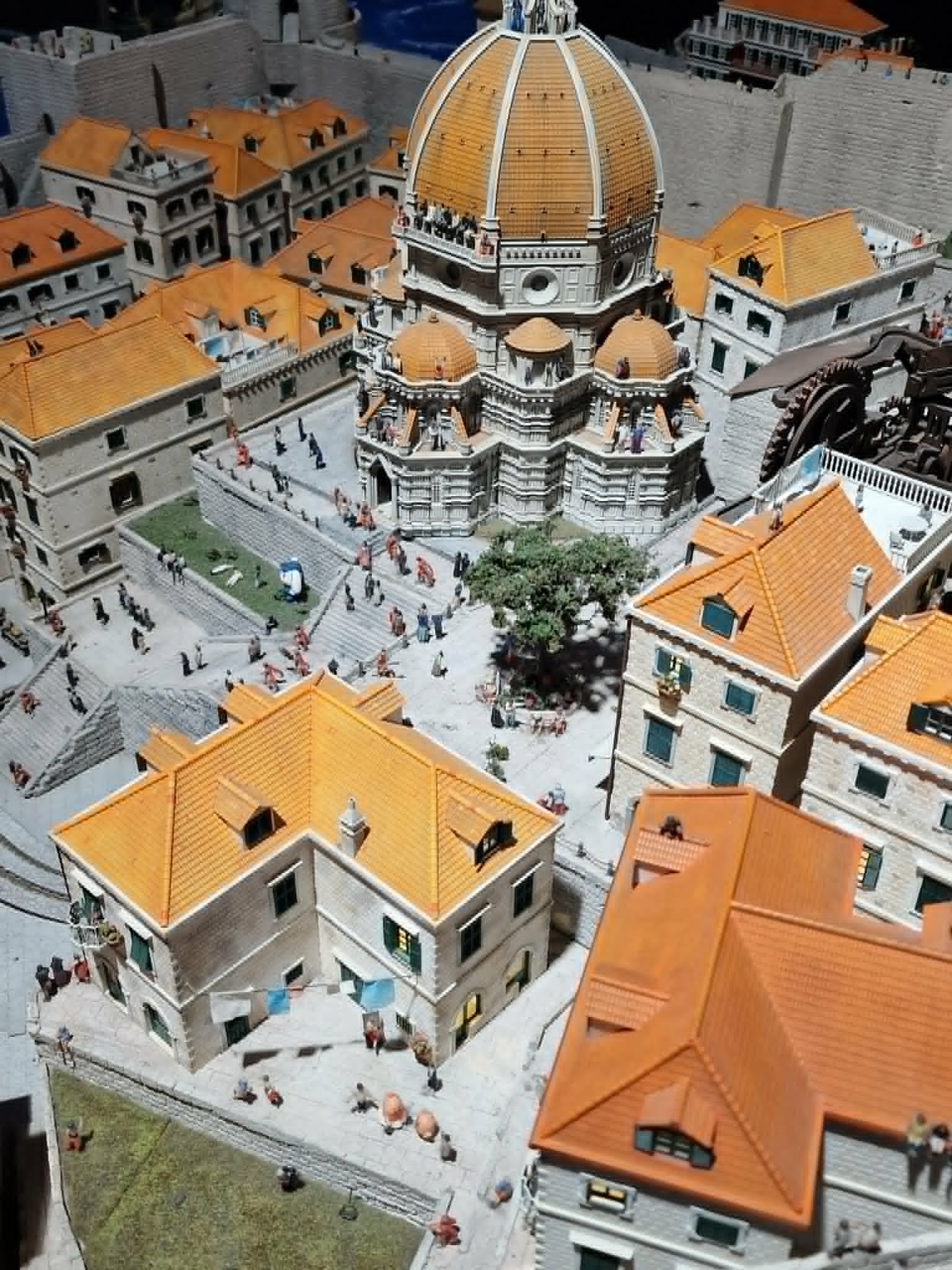
Our First Reaction: “Who Built All This?”
Before you notice the technology, the moving trains, or the impressive scale of the exhibition, one thing immediately stands out: the unbelievable amount of work invested in every single scene. Thousands of figurines. Literally thousands.
Commuters heading to work, tourists taking photos, families enjoying a day out, climbers scaling mountains, airport staff performing their duties, and countless hidden characters waiting to be discovered. Our first reaction was not “This looks amazing.” It was: “Who had the patience to build all of this?”
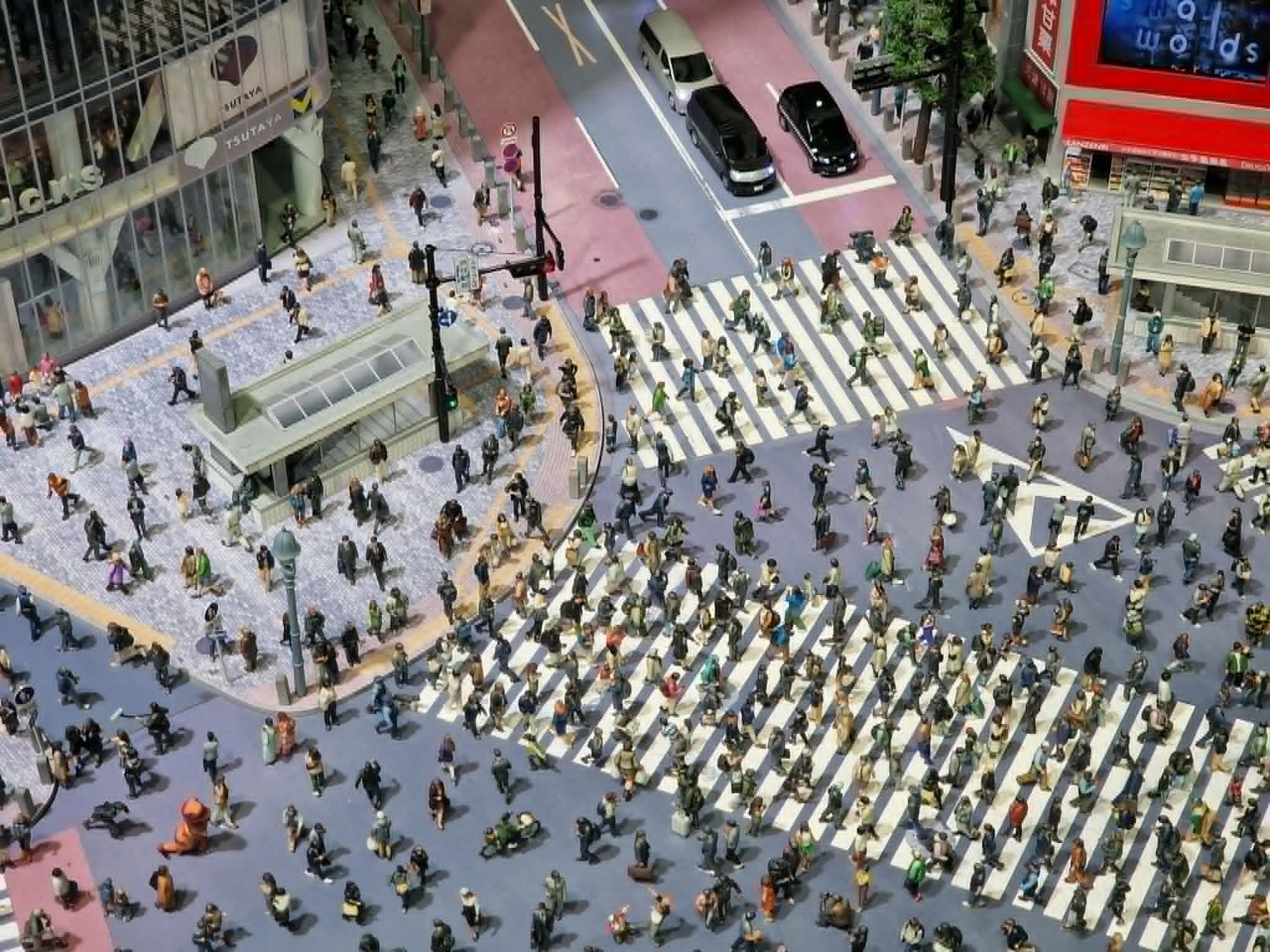
Why Everything Is Built at a 1:80 Scale
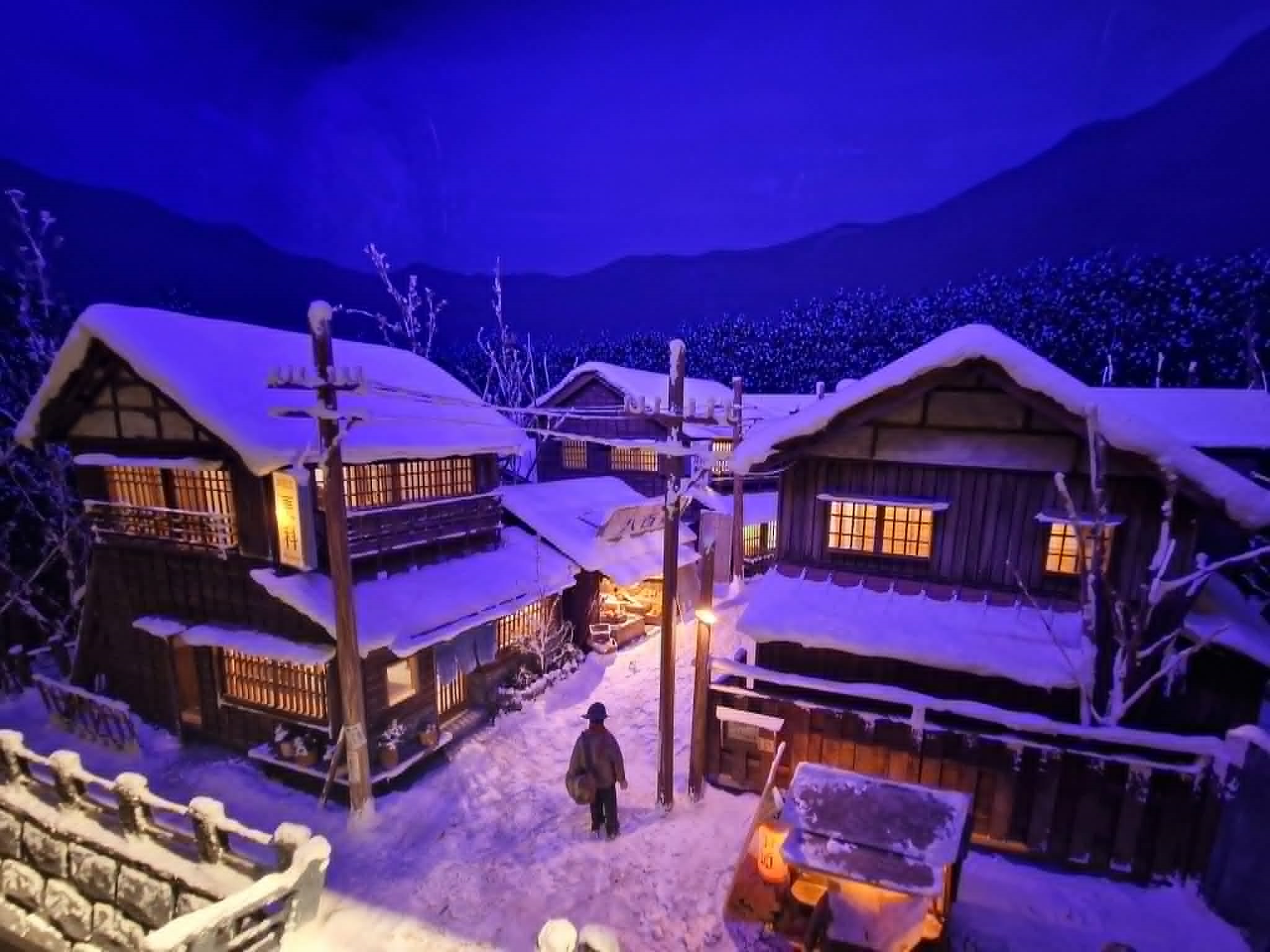
Every diorama in Small Worlds Tokyo is built at a scale of 1:80. It may sound like a technical detail, but it is actually one of the secrets behind the museum’s success.
At this scale, a person who is 1.80 meters tall in real life becomes just over two centimeters tall. Large enough to include visible details and realistic proportions, yet small enough to allow entire cities, airports, and landscapes to fit inside a museum hall. There is also a practical reason behind this choice.
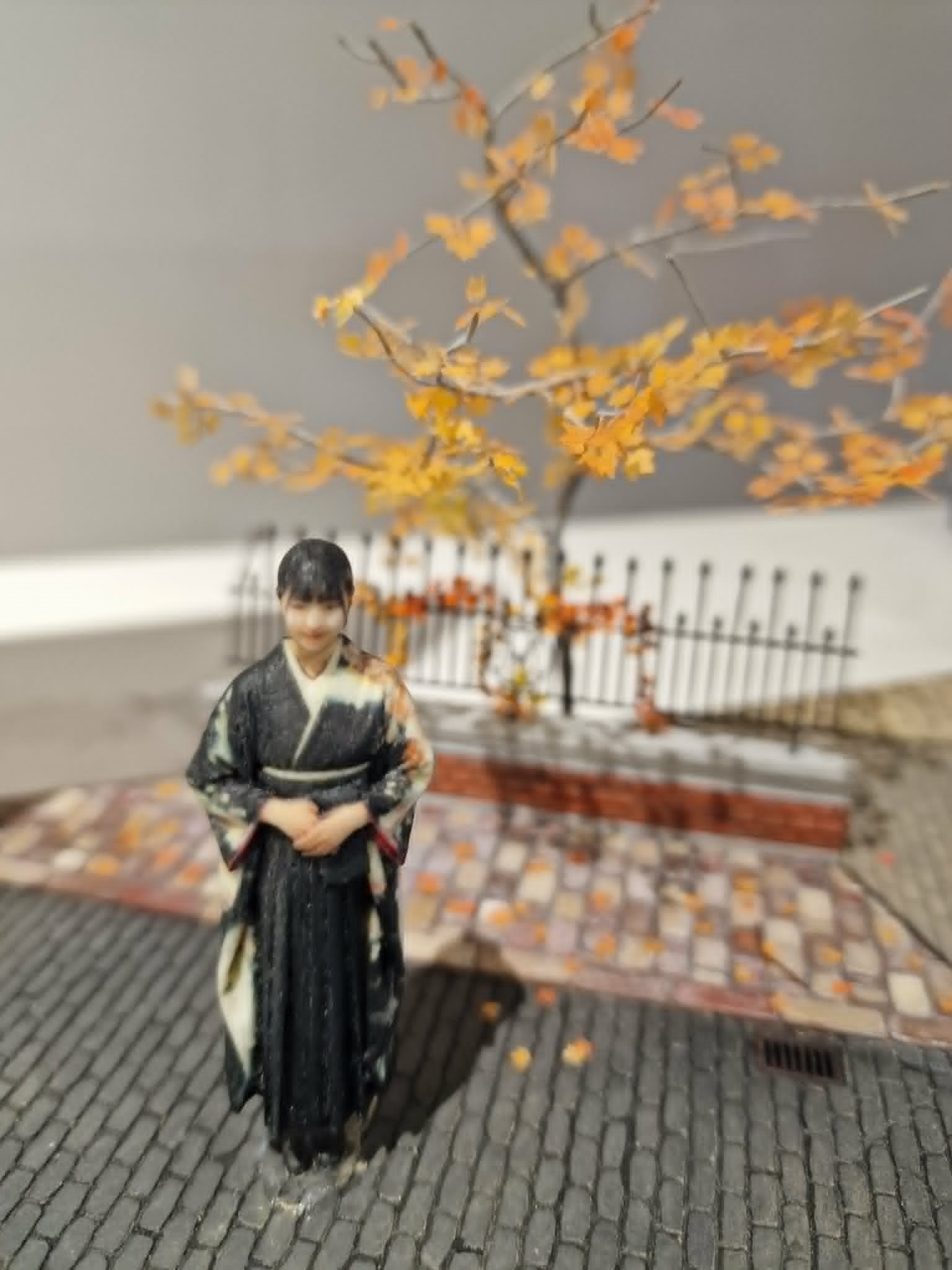
For decades, 1:80 has been one of the most popular scales in Japanese railway modeling. A huge industry already exists around trains, vehicles, figurines, and accessories designed specifically for this scale. Small Worlds simply adopted a format that generations of Japanese model makers have perfected over time. The result is incredibly convincing. Cities feel alive, airports look functional, and visitors often feel like giants observing a living world from above.
The Moment You Understand What “Otaku” Really Means
In Japan, the word otaku is often used to describe someone who is deeply passionate about a particular hobby. Anime, photography, trains, aviation, technology, gaming, or model making—it doesn’t really matter. At Small Worlds Tokyo, you quickly understand the concept.
You approach a display intending to spend a few seconds looking at it. Ten minutes later, you are still standing there, searching for hidden details, following train routes, and discovering tiny stories unfolding between the buildings. Without realizing it, you become a little bit of an otaku yourself.
A Living Miniature World
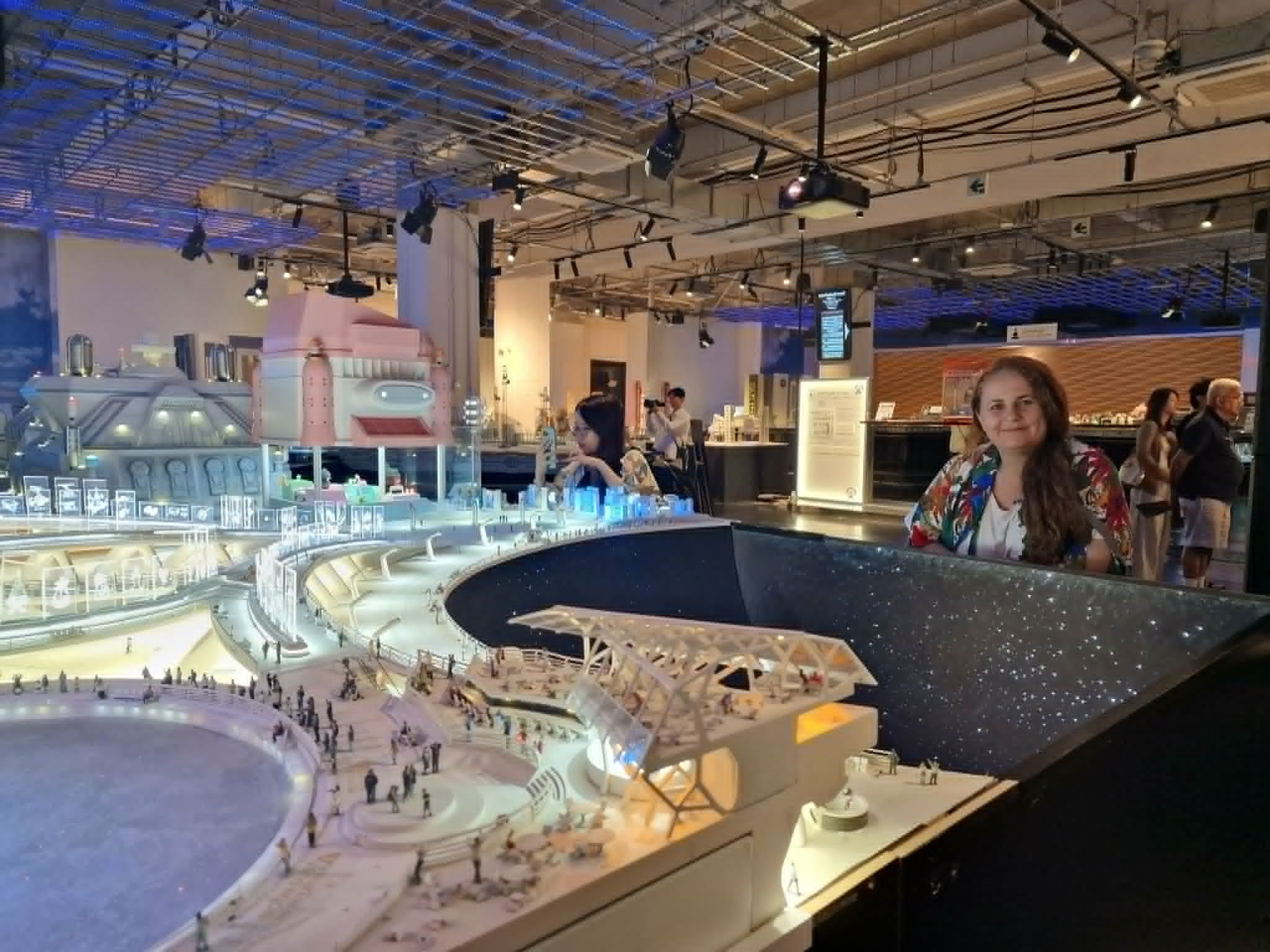
What separates Small Worlds Tokyo from many other miniature exhibitions is the fact that the displays are alive. Trains move continuously through the cities. Aircraft and airport vehicles travel across the runways. Lights turn on and off. Some areas transition between day and night.
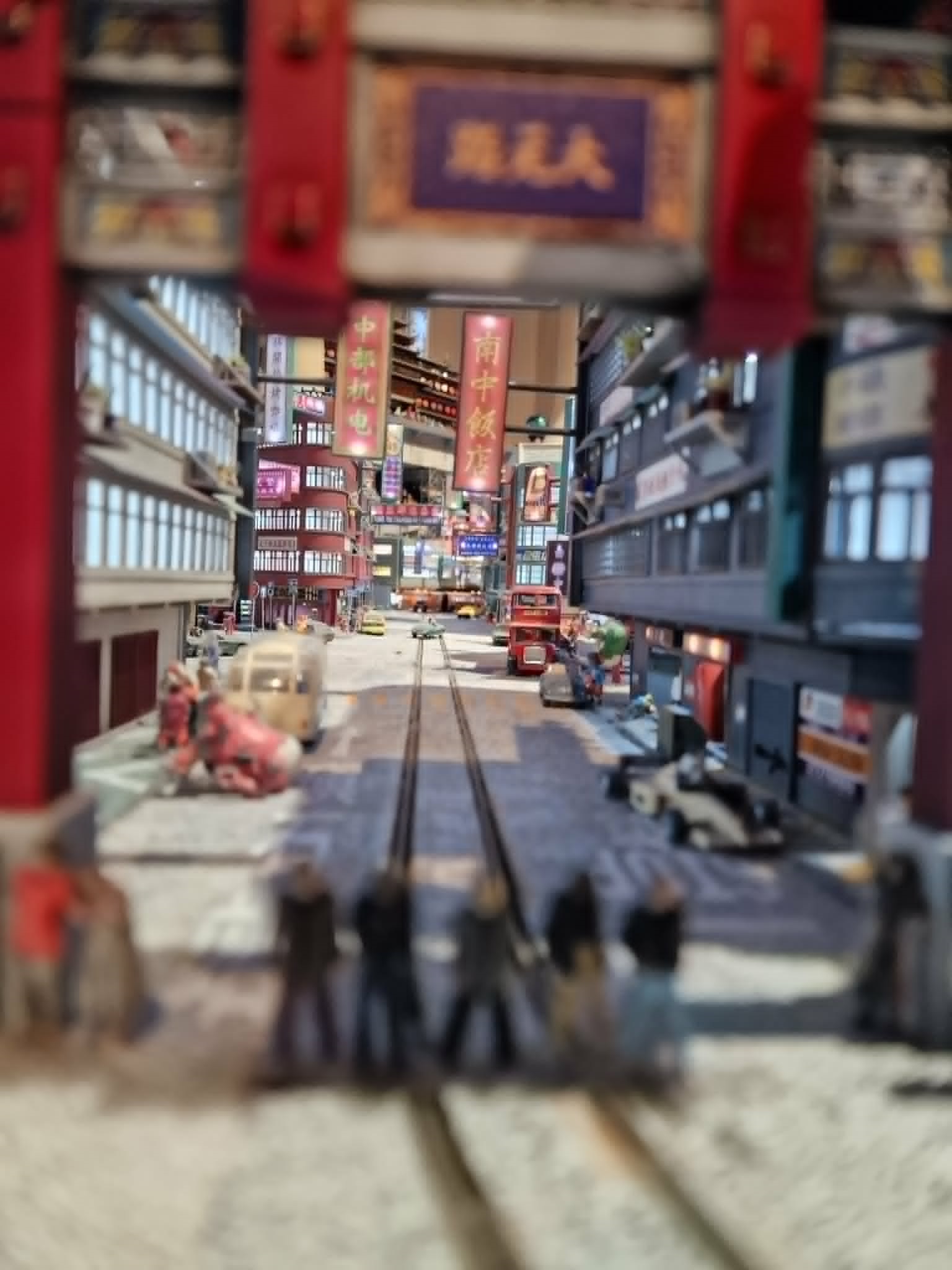
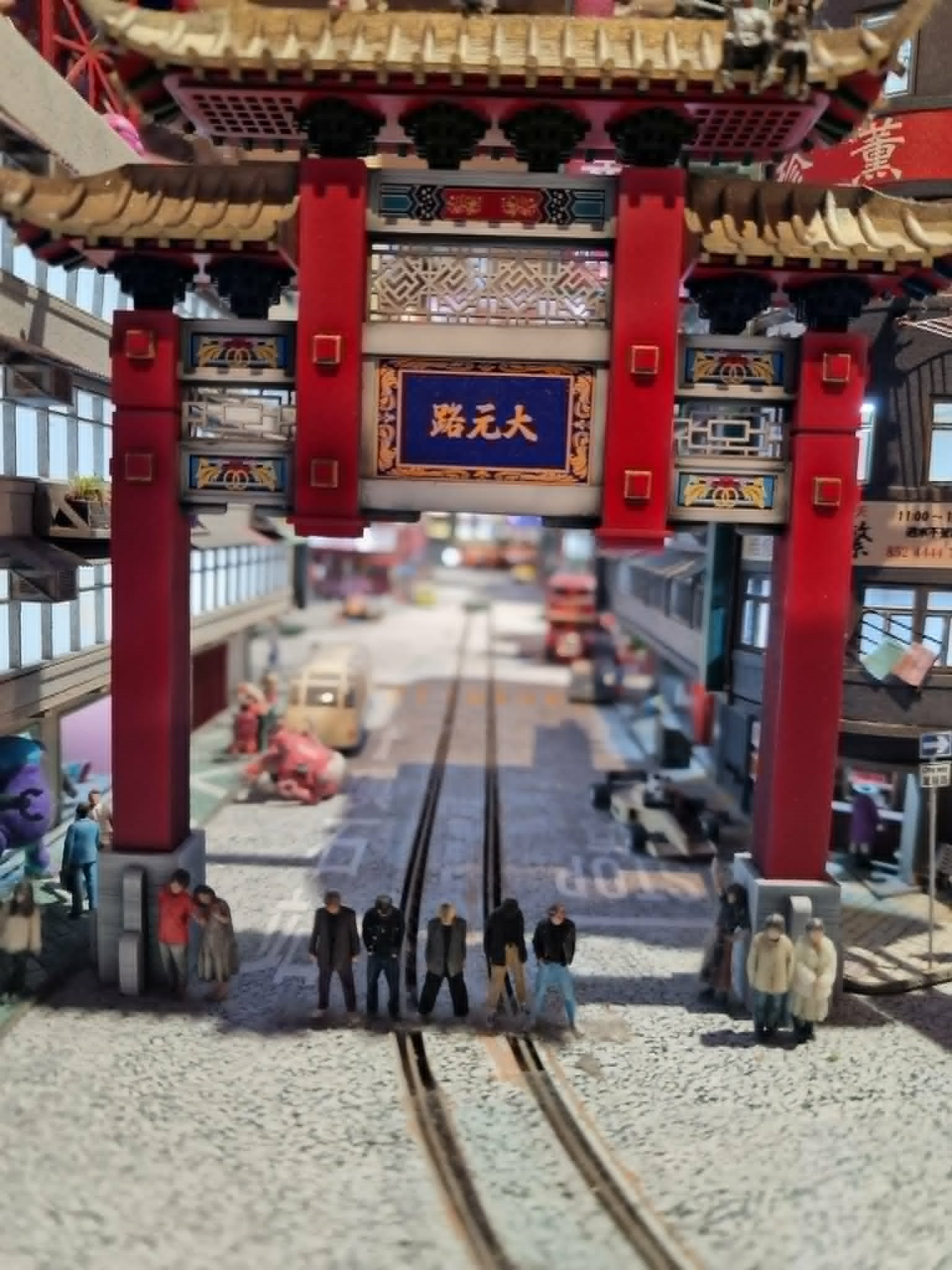
Visitors can even interact with certain scenes using buttons placed next to the displays. Press one button and you might launch a space shuttle. Press another and a building lights up. Some activate small events hidden within the diorama. We pressed every single button we could find.
Evangelion, Trains, and Japan’s Love for Detailed Worlds
One of the exhibition’s most unexpected sections is dedicated to Evangelion, one of Japan’s most influential anime franchises. At first glance, it may seem like an unusual addition to a miniature museum. After spending time there, however, the connection becomes obvious. Both anime and model making revolve around the same idea: creating a believable world where every detail matters. That is why the Evangelion section feels completely natural within the exhibition rather than out of place.
The Workshop You Can Actually See
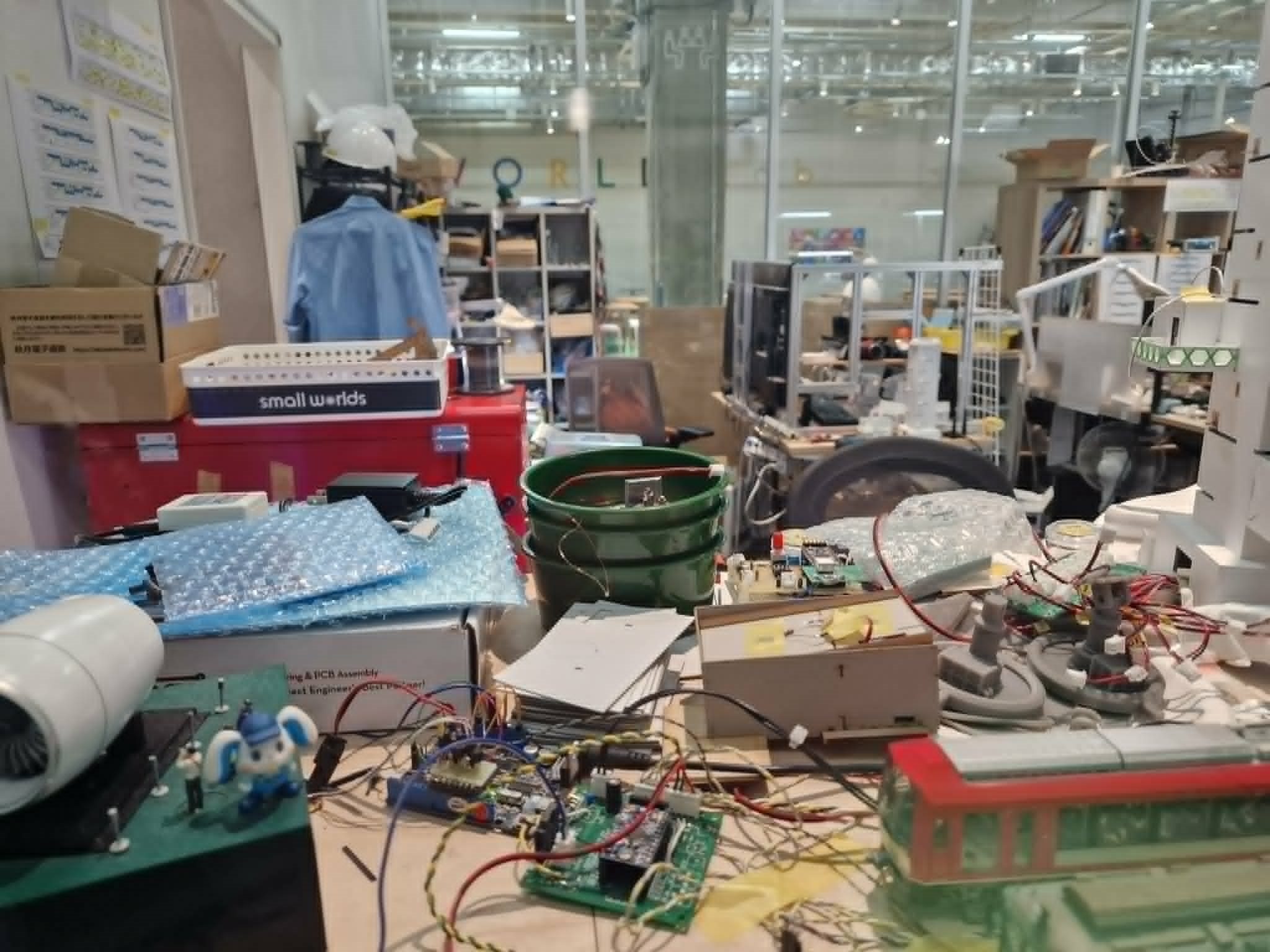
One of the most fascinating aspects of Small Worlds Tokyo is the partially visible workshop area. Unlike traditional museums, where exhibits simply appear finished, Small Worlds allows visitors to see part of the creative process behind the scenes.
Artists and technicians can often be seen maintaining the displays, repairing mechanisms, painting figurines, and building new components for future projects. Watching them work completely changes your perspective. You realize that these miniature worlds are not static exhibits but living projects that require constant attention and maintenance.
Becoming a Resident of Small Worlds Tokyo
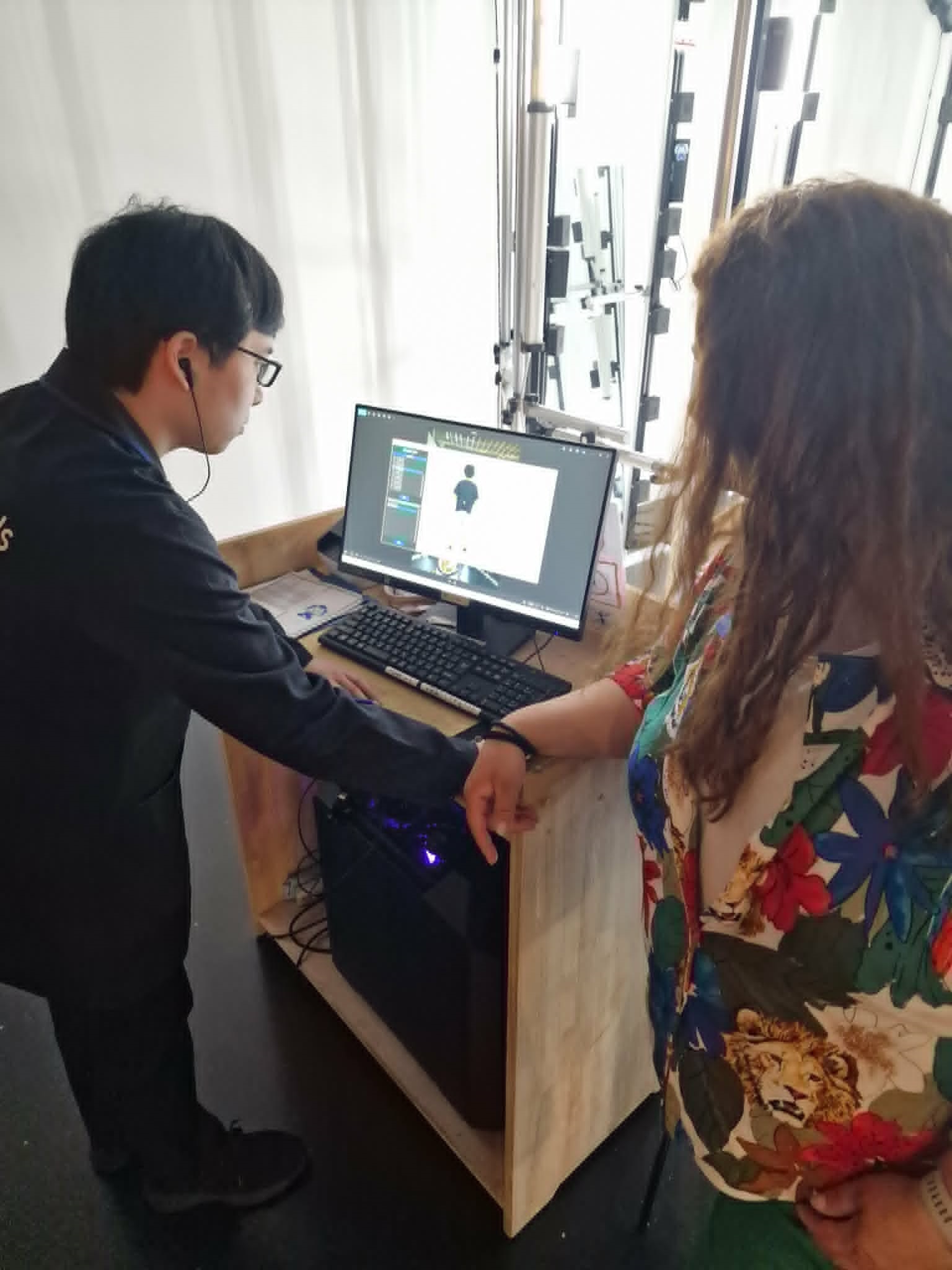
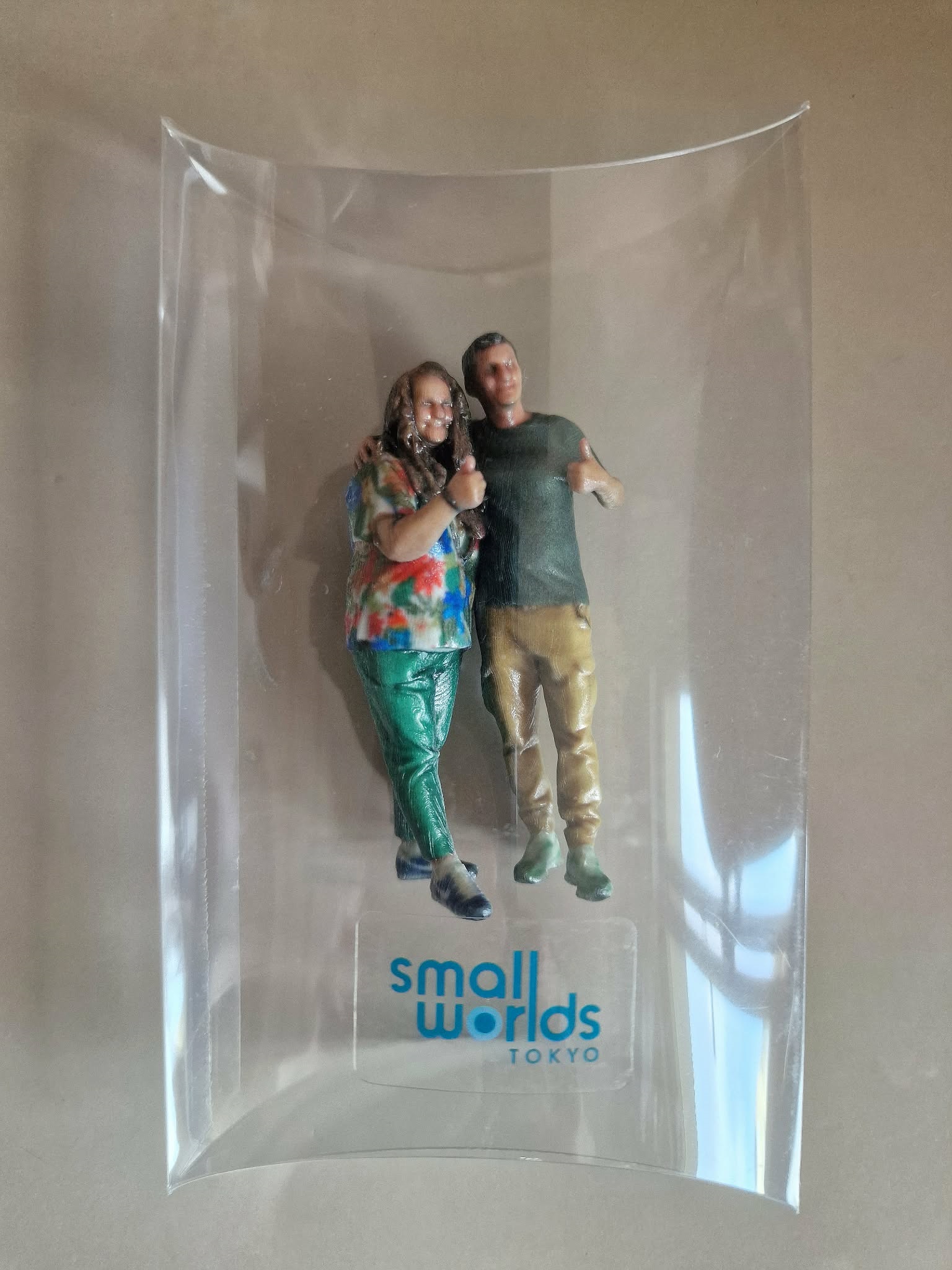
Yes, it is actually possible. One of the museum’s most unique experiences is its 3D scanning and printing service. Visitors can have their bodies scanned and transformed into miniature figurines printed at the same scale used throughout the exhibition.
The result is a tiny version of yourself that can be taken home as a souvenir or, depending on the program available at the time, placed inside one of the museum’s dioramas. For a brief moment, you literally become a resident of Small Worlds Tokyo. It is one of the most creative souvenirs we encountered anywhere in Japan.

Is Small Worlds Tokyo Worth Visiting?
Absolutely. Not because it is Tokyo’s largest museum. Not because it is one of the city’s most famous attractions. But because it offers something surprisingly rare. It forces you to slow down.
In a city that never seems to stop moving, Small Worlds encourages visitors to pause, observe, and appreciate details they would normally overlook. We arrived expecting to see a few miniature models. We left feeling as though we had visited an entire world. A very small world, perhaps, but one built with the kind of precision and dedication that says a great deal about Japan itself.