









Edakkal Caves: A Journey Back Thousands of Years
Ancient rock carvings, breathtaking views and a surprisingly challenging climb. Edakkal Caves is one of the most interesting places to visit in Wayanad, Kerala.
In Wayanad, one of the most beautiful regions of Kerala, there is a place that takes you thousands of years back in time. Edakkal Caves are not ordinary caves. They are an important archaeological site, famous for the prehistoric carvings found on their rock walls. Getting there, however, is not exactly easy. The climb is demanding, some of the steps are extremely steep and narrow, and just when you think you have finally reached your destination, you discover that there is still some descending to do.
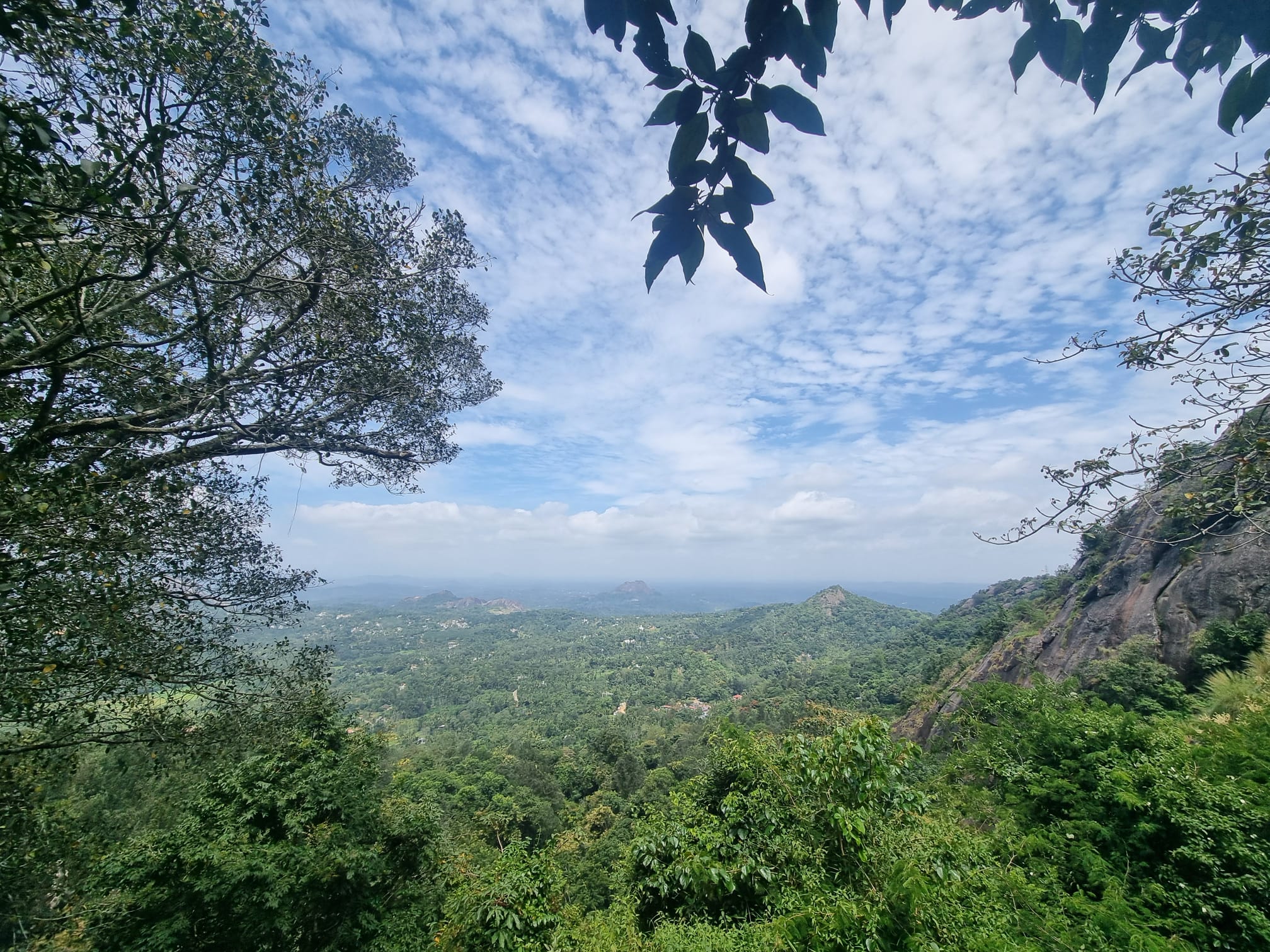
But once you get there, you understand why this place is so well known. Along with the ancient carvings, you are rewarded with beautiful views over the hills and valleys of Wayanad. The whole experience also comes with the atmosphere of a typical Indian tourist attraction: food stalls, souvenir sellers, visitors, locals and, of course, monkeys.
Where Are Edakkal Caves?
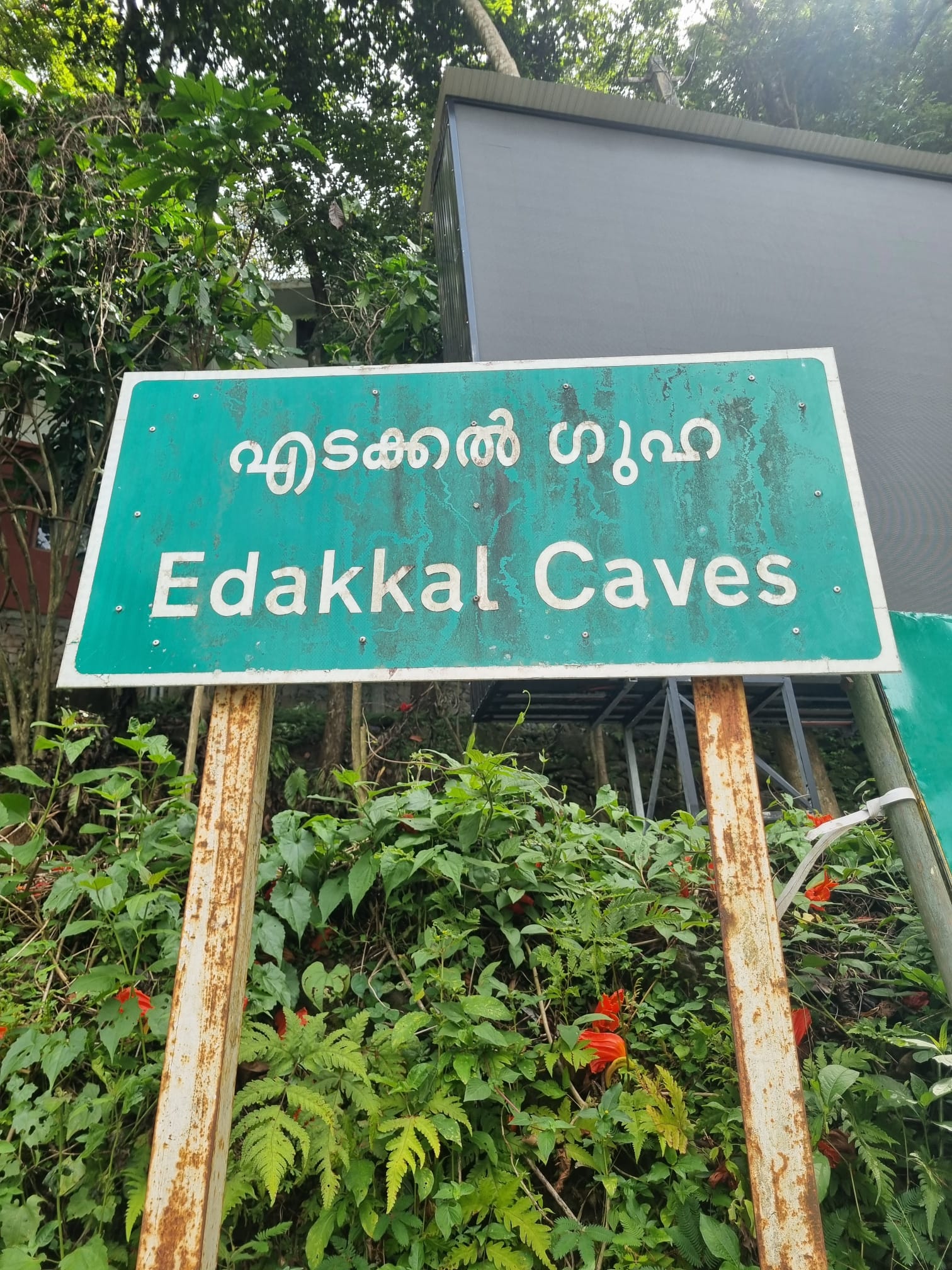
Edakkal Caves are located in Wayanad district, in northern Kerala, southern India. They sit on Ambukuthi Mala hill, in an area known for its green landscapes, tea and coffee plantations and rolling hills.
To reach the caves, visitors must follow a marked uphill trail leading to the unusual rock formation where the carvings can be found. The name Edakkal has a simple explanation. In Malayalam, Eda means “between” and Kal means “stone”. The name refers to the way this natural formation was created.
How Were Edakkal Caves Formed?
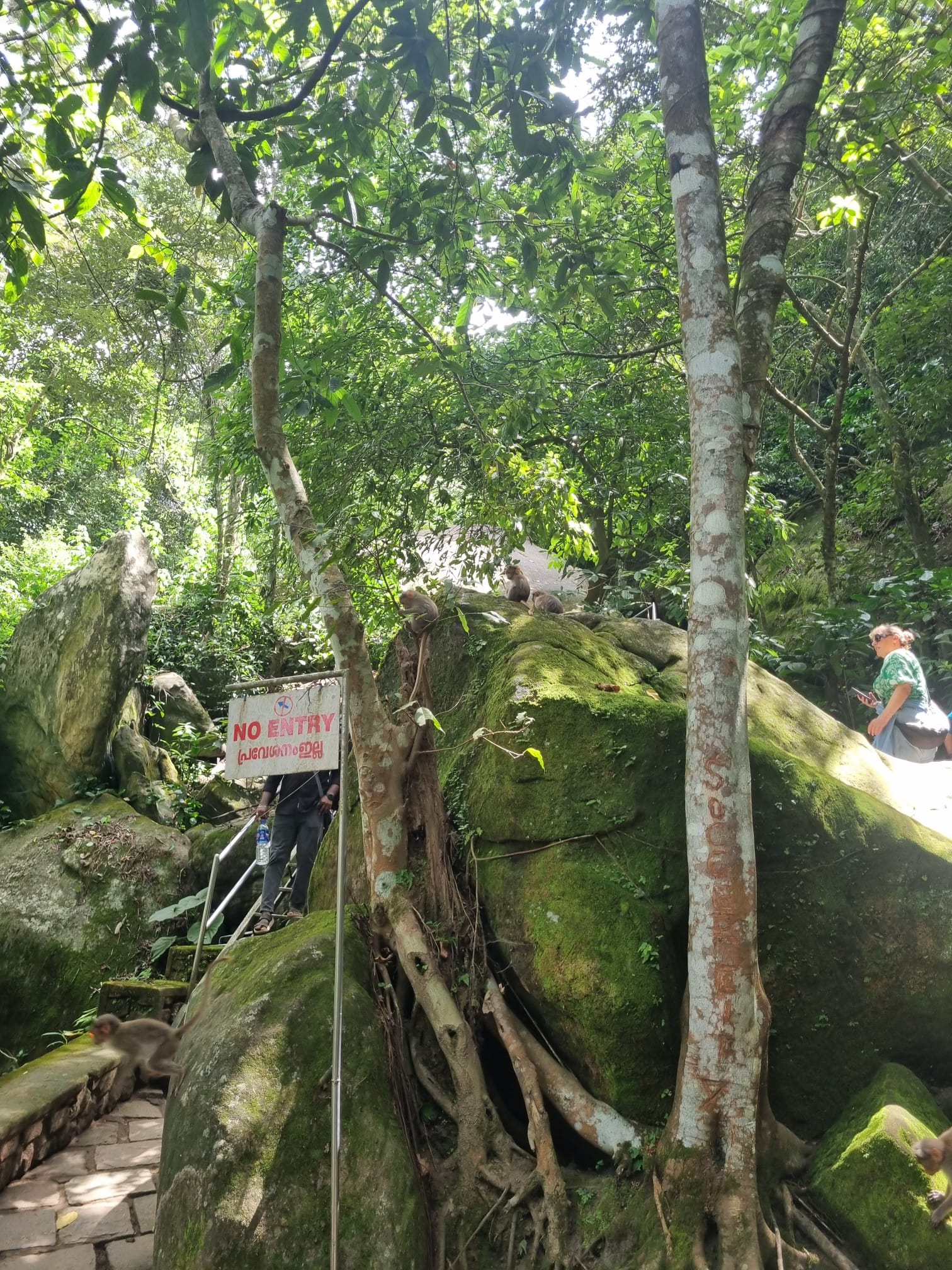
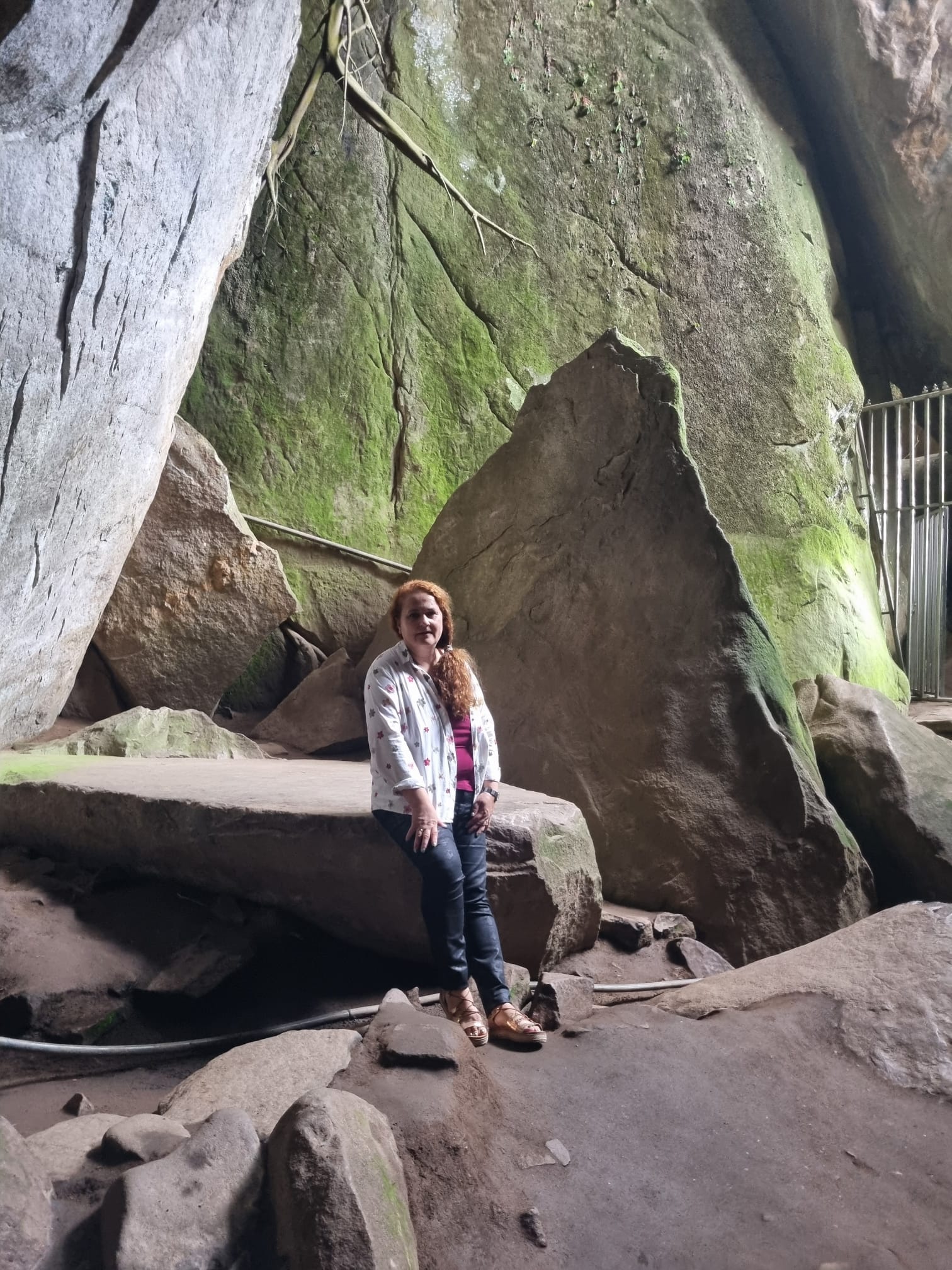
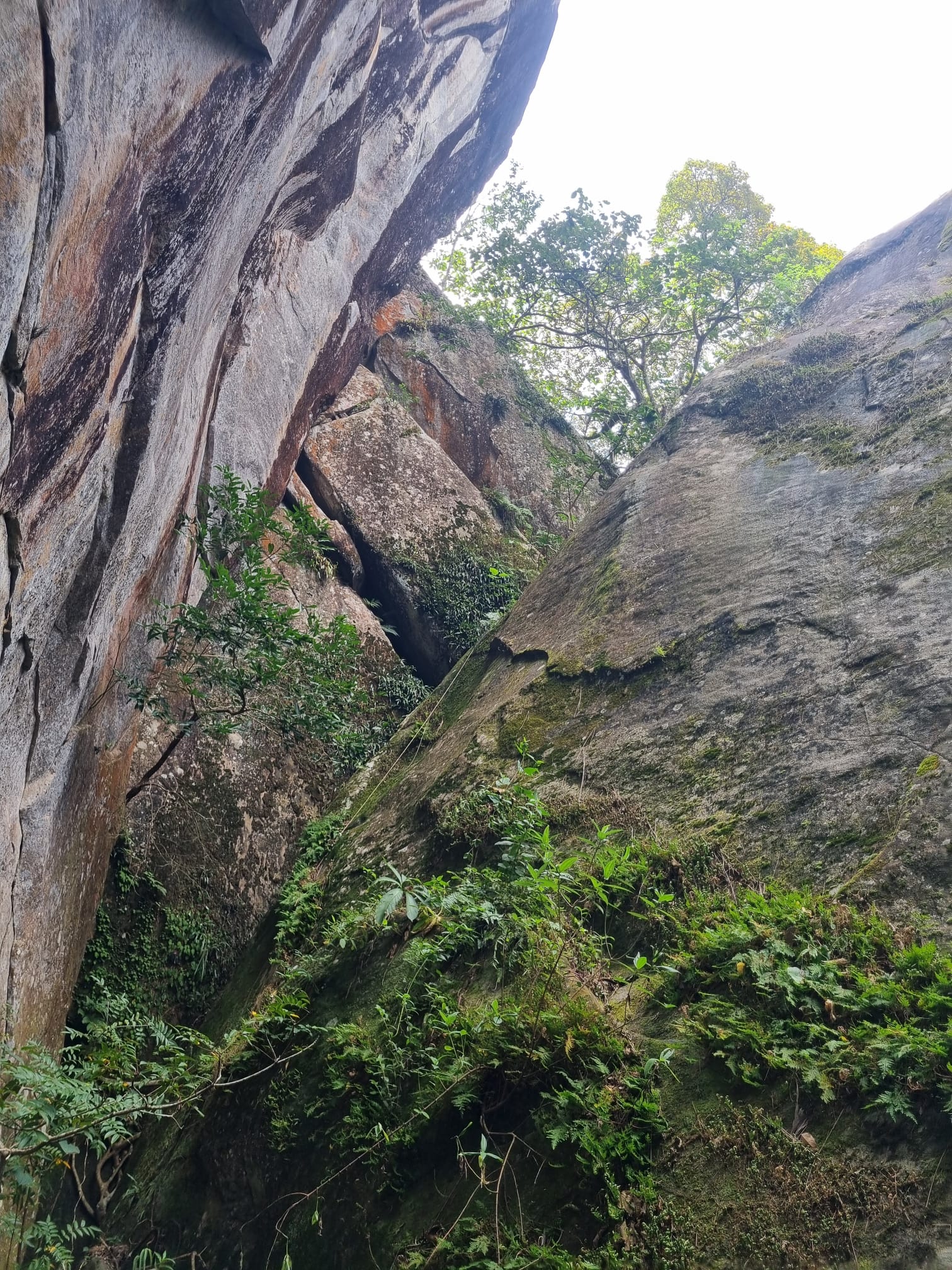
Despite their name, Edakkal is not a conventional cave system. The formation is the result of a natural geological process. A huge rock became wedged between two other rock formations, creating a natural shelter with stone walls and a roof. People used this shelter in prehistoric times, and traces of their presence have survived to this day.
Who Made the Edakkal Cave Carvings?
This is one of the most interesting questions surrounding the site. The carvings are attributed to prehistoric communities that lived in the region. The oldest images are associated with the Neolithic period, with some estimates dating them to around 6000 BC. However, we do not know exactly who these people were. Their names, language and precise way of life remain unknown.
What we do know is that Edakkal was used by people during different periods and that the carvings were not all made at the same time. The rock walls preserve images belonging to different stages of prehistoric history. The site attracted the attention of researchers in 1895, when Fred Fawcett, a British officer serving in the Malabar region, documented the carvings and brought them to wider attention.
What Do the Drawings on the Cave Walls Represent?
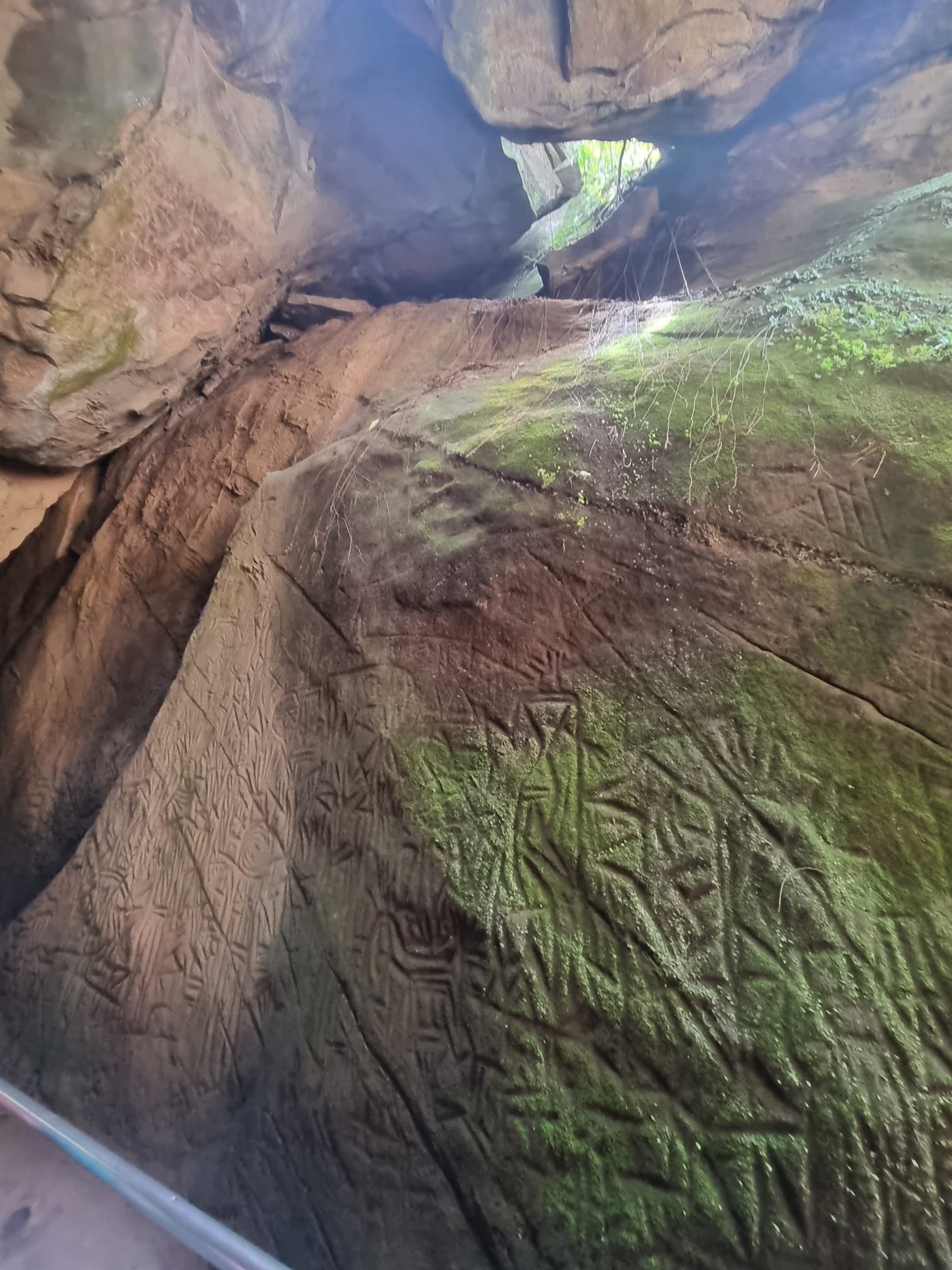
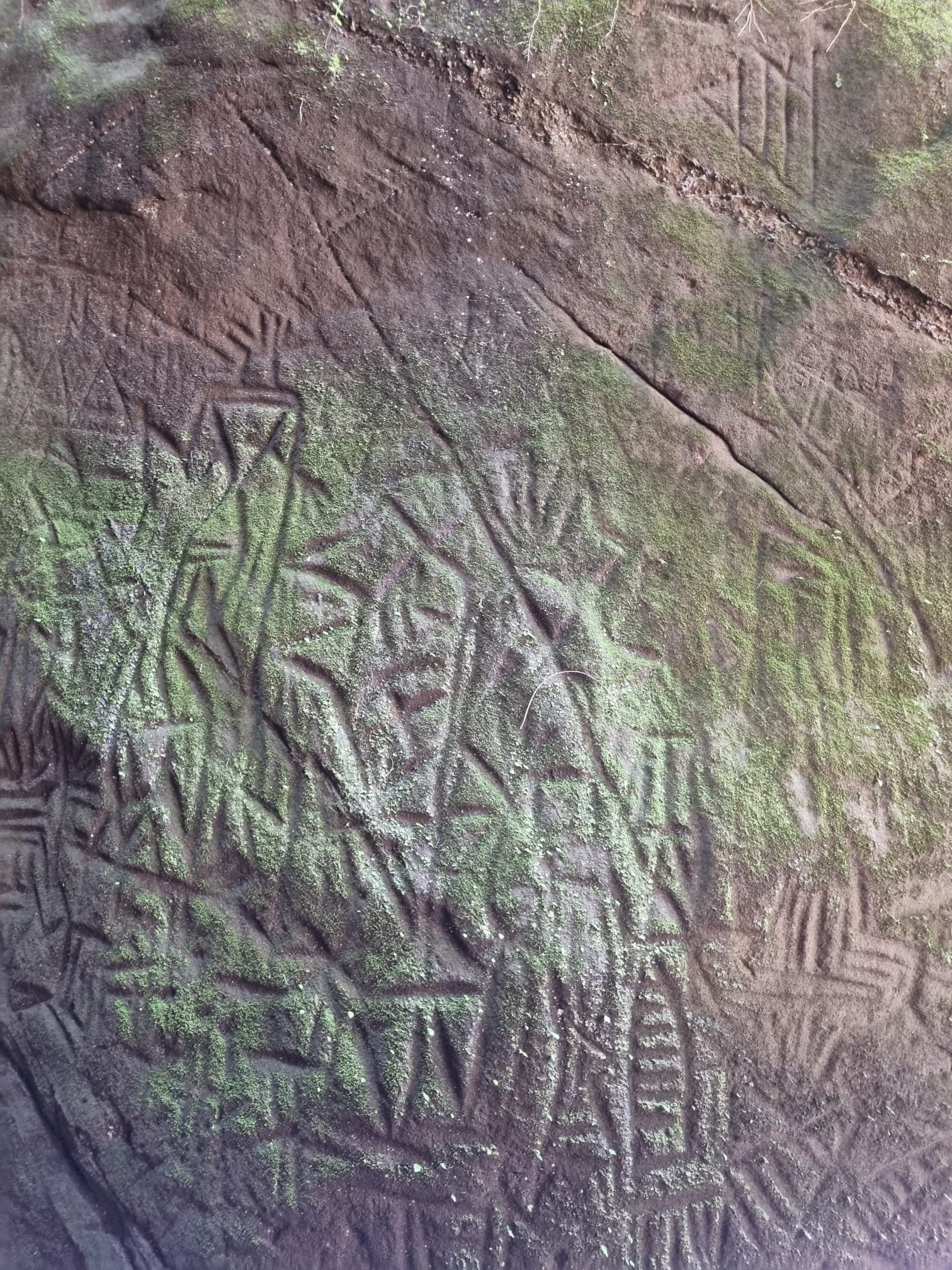
Once inside, you discover that the walls are covered with all kinds of images. Some are relatively easy to recognise, while others are much harder to distinguish. Among the carvings are:
- Human figures, some wearing elaborate headdresses or ornaments.
- Animals, including elephants and deer.
- Representations of tools and weapons.
- Geometric shapes, spirals and various symbols.
The exact meaning of these carvings is still not fully understood. Researchers have suggested several interpretations, ranging from depictions of everyday life to symbols with spiritual or ritual significance. Some human figures have been associated with ceremonial characters or representations of deities. Comparisons have also been made with ritual traditions in Kerala, such as Theyyam, although these do not establish a direct connection. There are also theories suggesting that some symbols may be linked to beliefs about ancestors, life and death.
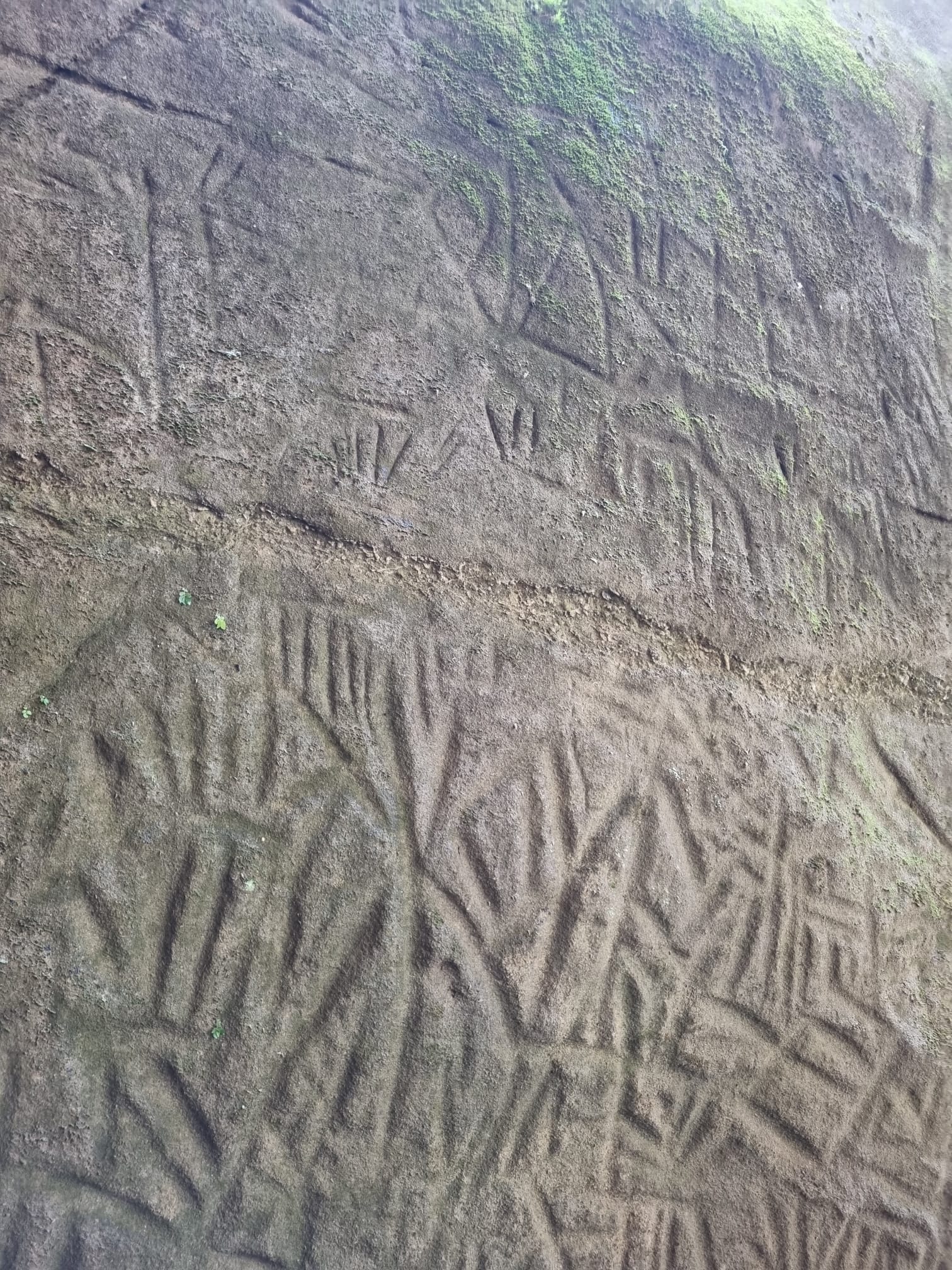
One thing is certain: these are not simply decorative drawings, but traces of how people thousands of years ago understood and represented their world.
Were Edakkal Caves a Place to Live or a Spiritual Site?
This is another question without a definitive answer. Archaeological research has identified evidence of human activity and habitation in the area. People clearly used this natural shelter. At the same time, the nature of the carvings and some of the figures have led researchers to consider the possibility that Edakkal also had a ritual function.
It may have been a place where communities gathered for ceremonies, spiritual practices or to honour their ancestors. If we were to make a comparison with the modern world, we might think of the role a church plays in a community: not just a physical space, but a place where people gather and express their beliefs. We cannot say for certain that this was the exact purpose of the caves, but it is an interesting possibility.
The Climb to Edakkal Caves Is Harder Than It Looks
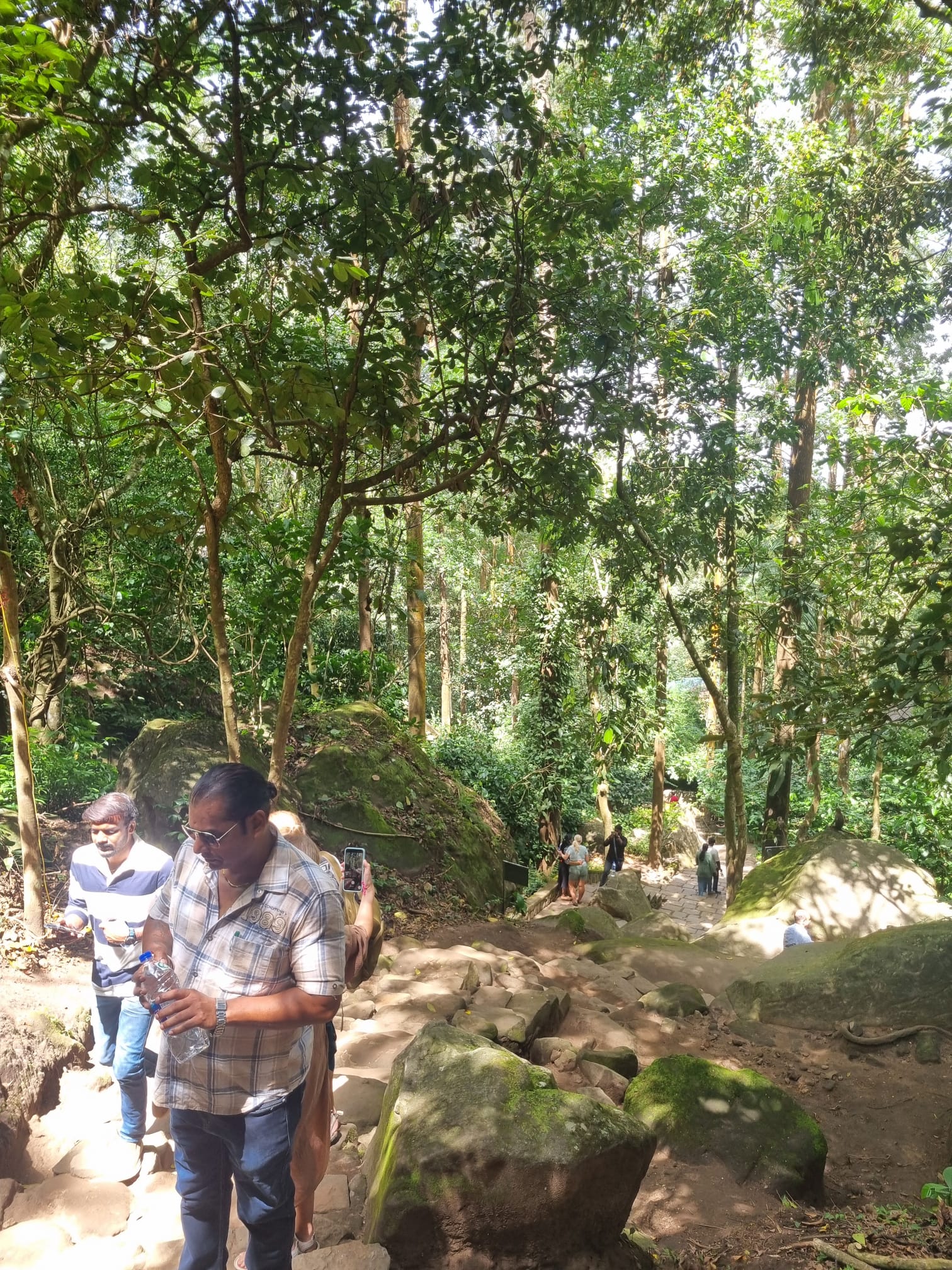
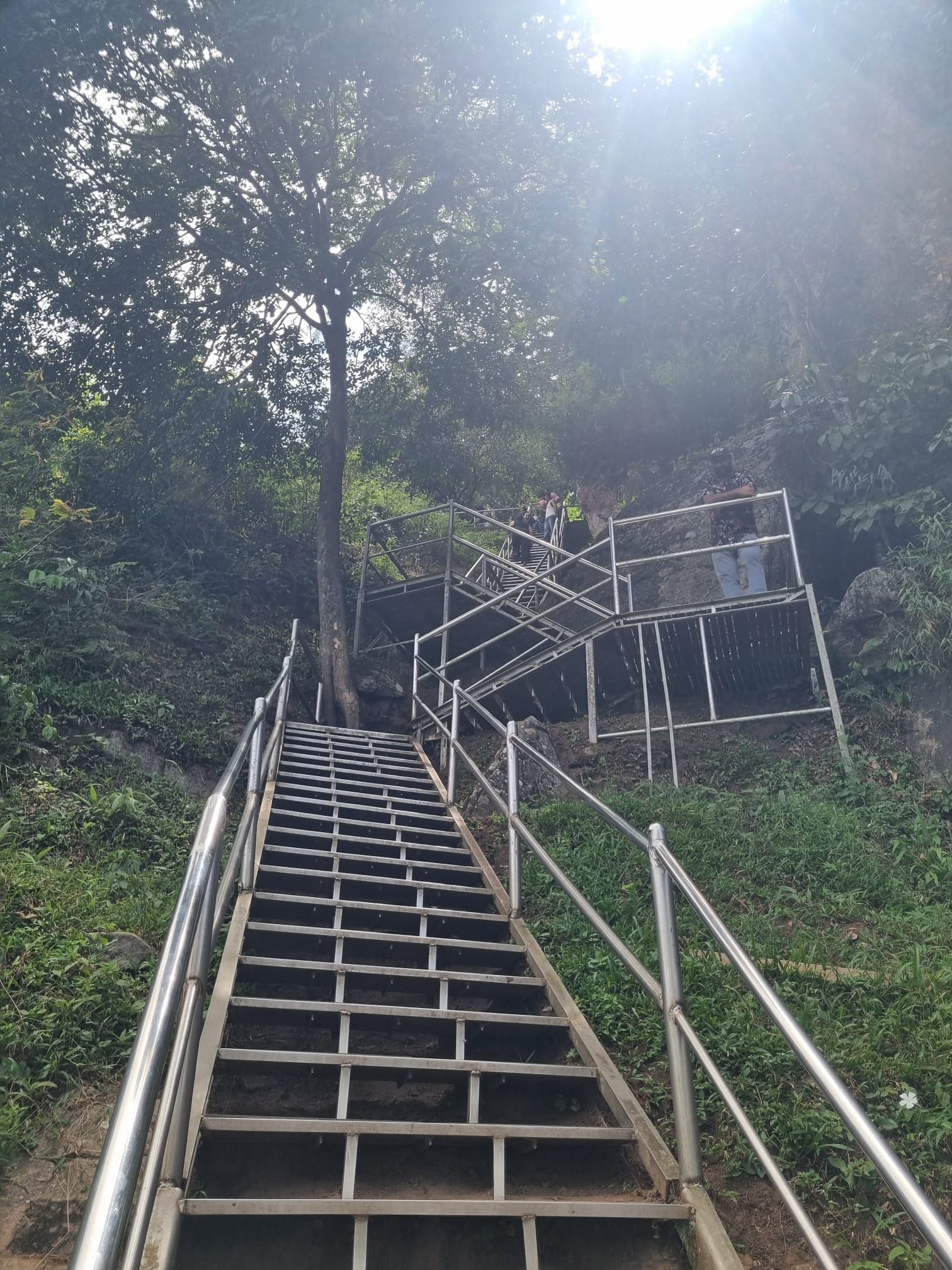
If you imagine that visiting Edakkal involves a short walk to a couple of caves, the reality may come as a surprise. The trail is demanding and involves a considerable uphill climb. There are plenty of steps, some of them extremely steep and surprisingly small. Not all are comfortable to walk on, and the effort builds up as you continue. There is another surprise along the way. At one point, you may think you have finally reached the end of the climb, only to discover that the route continues and that you still have to descend to reach the next cave.
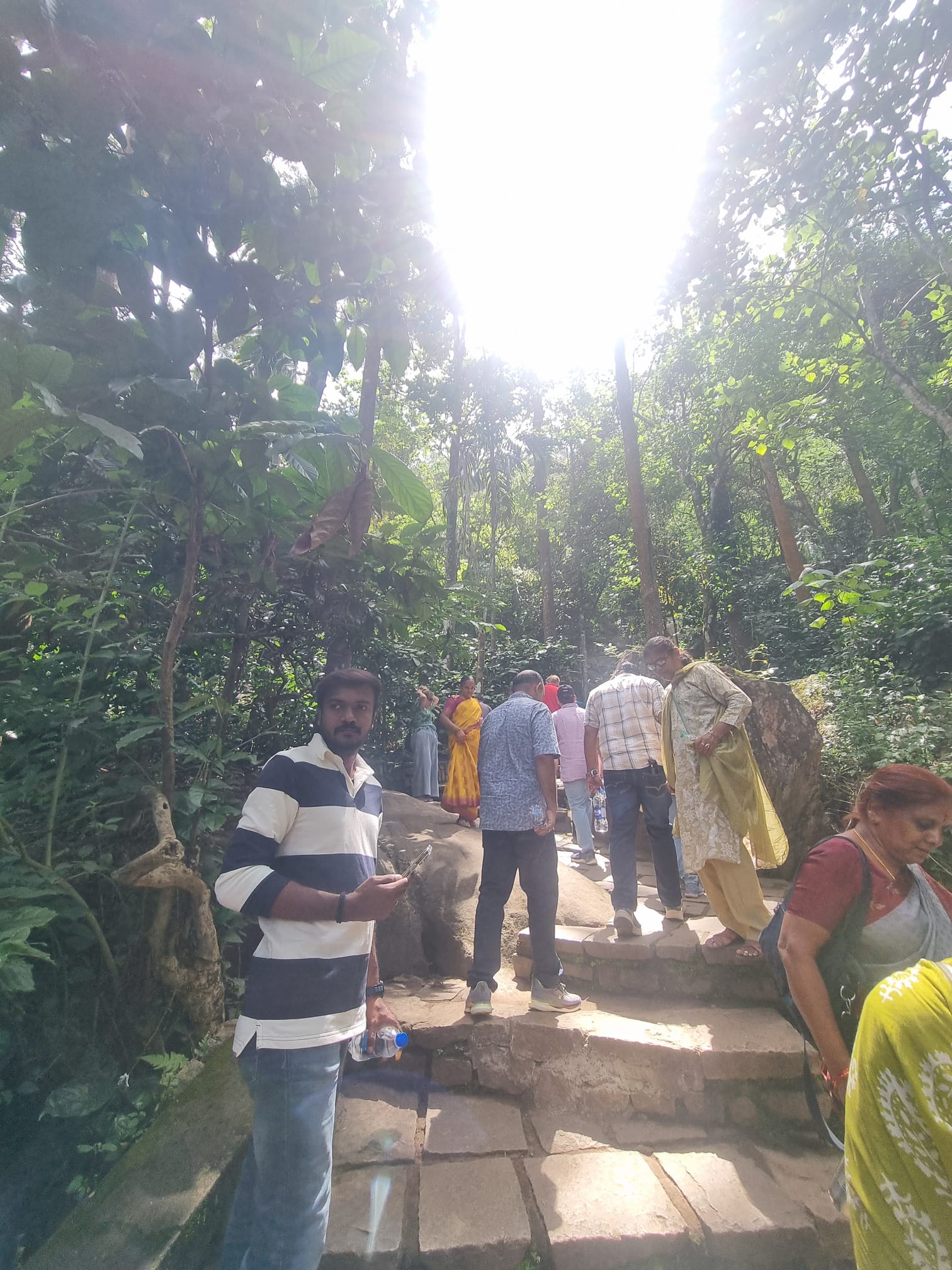
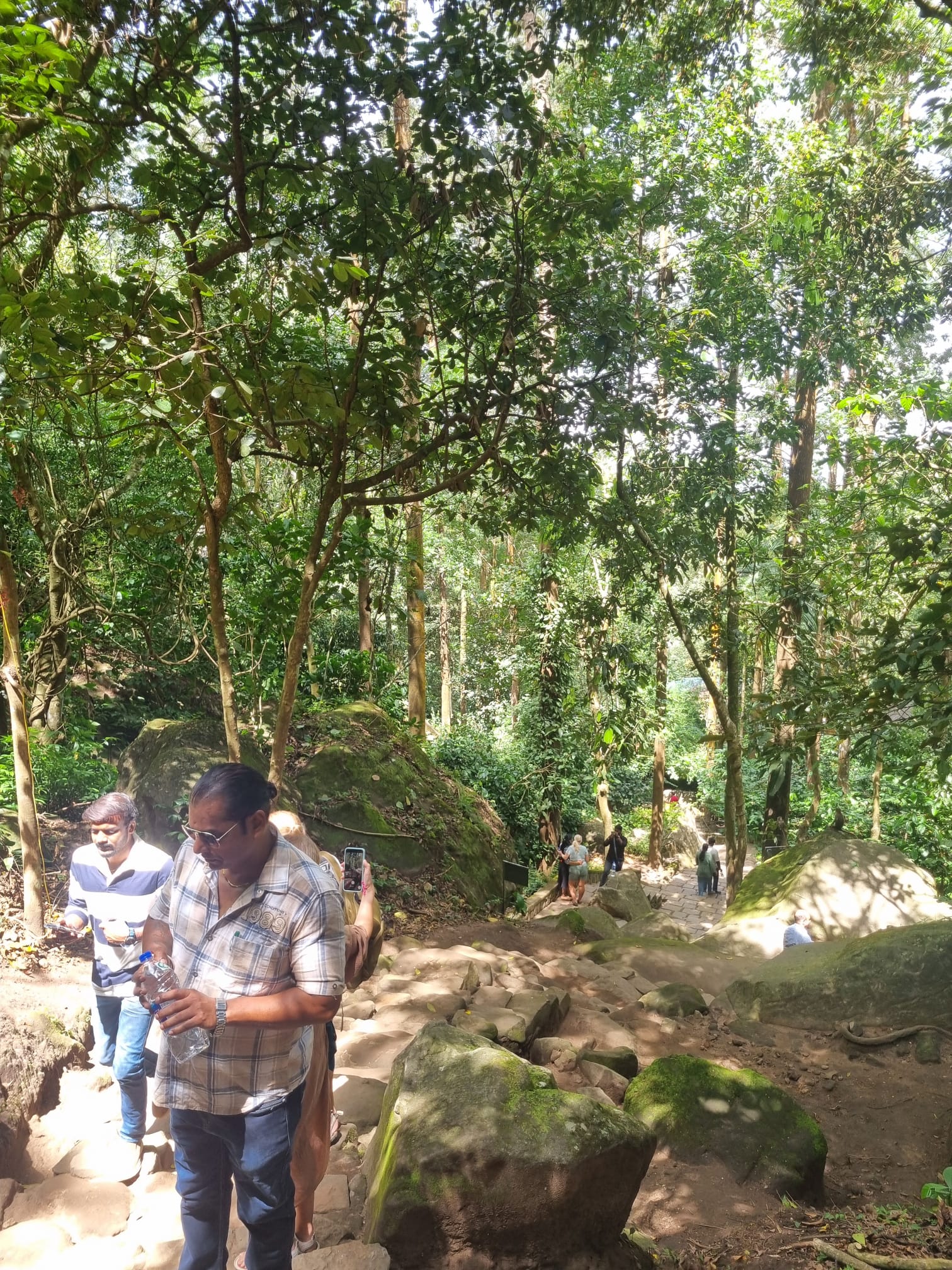
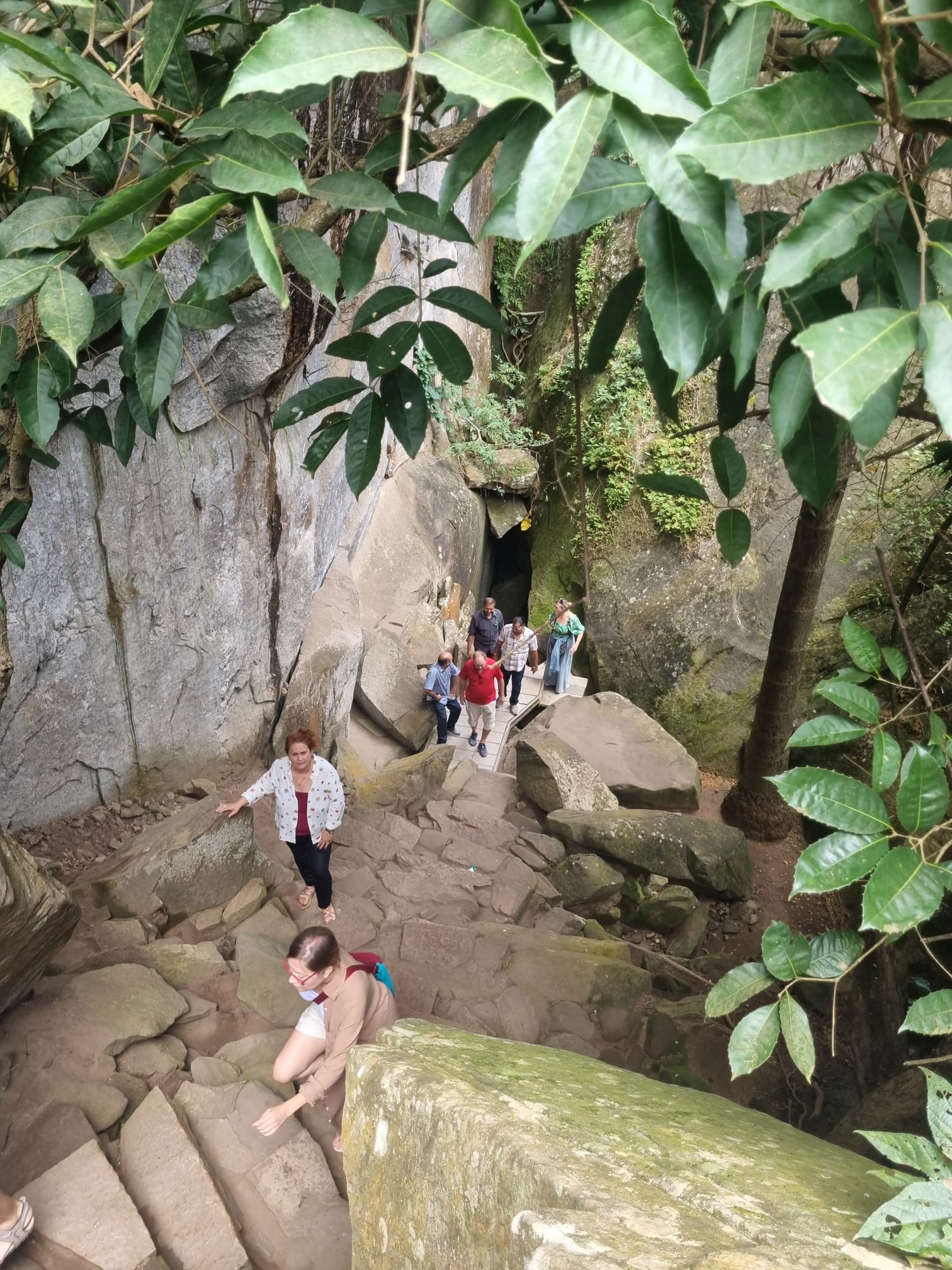
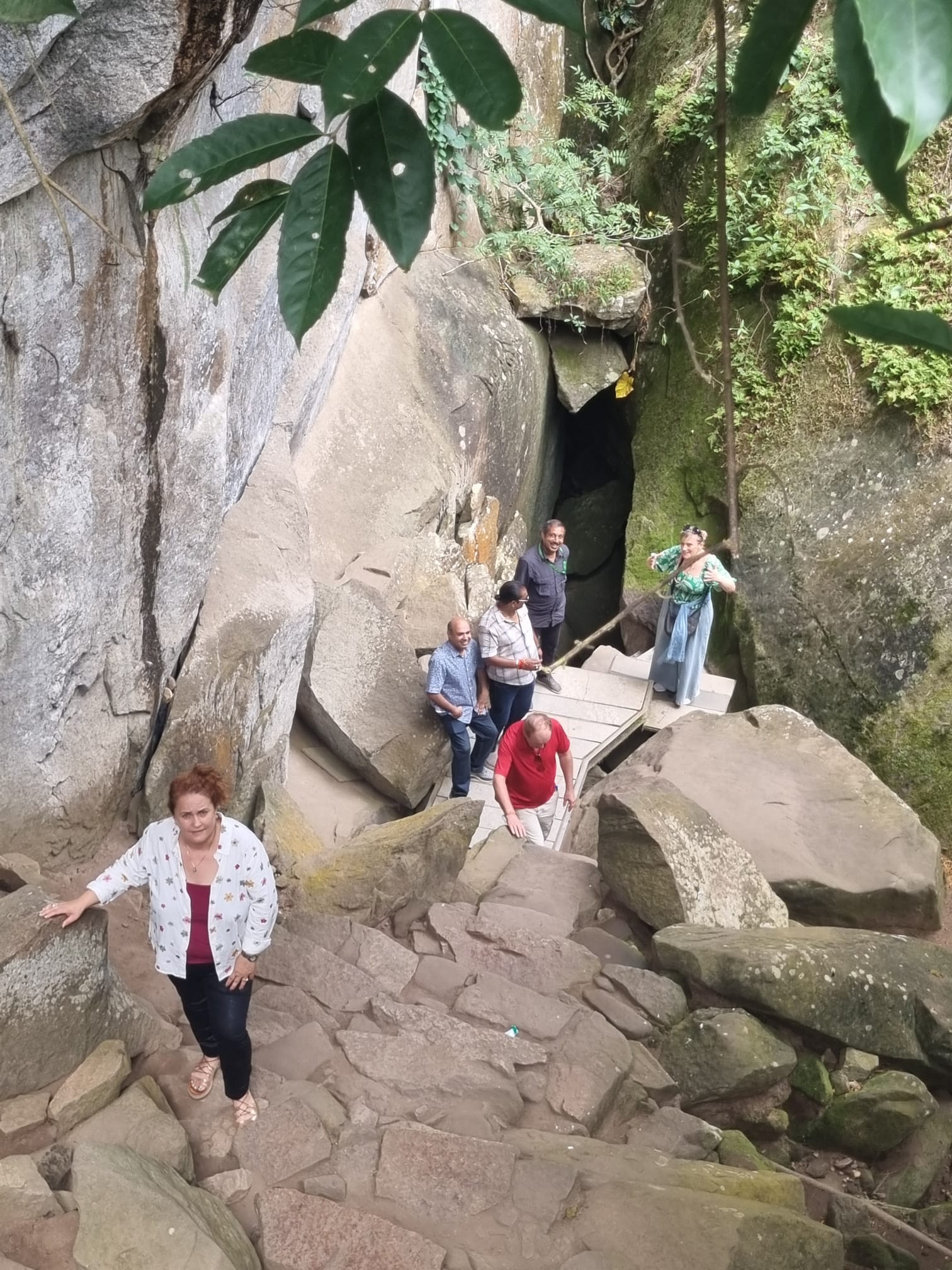
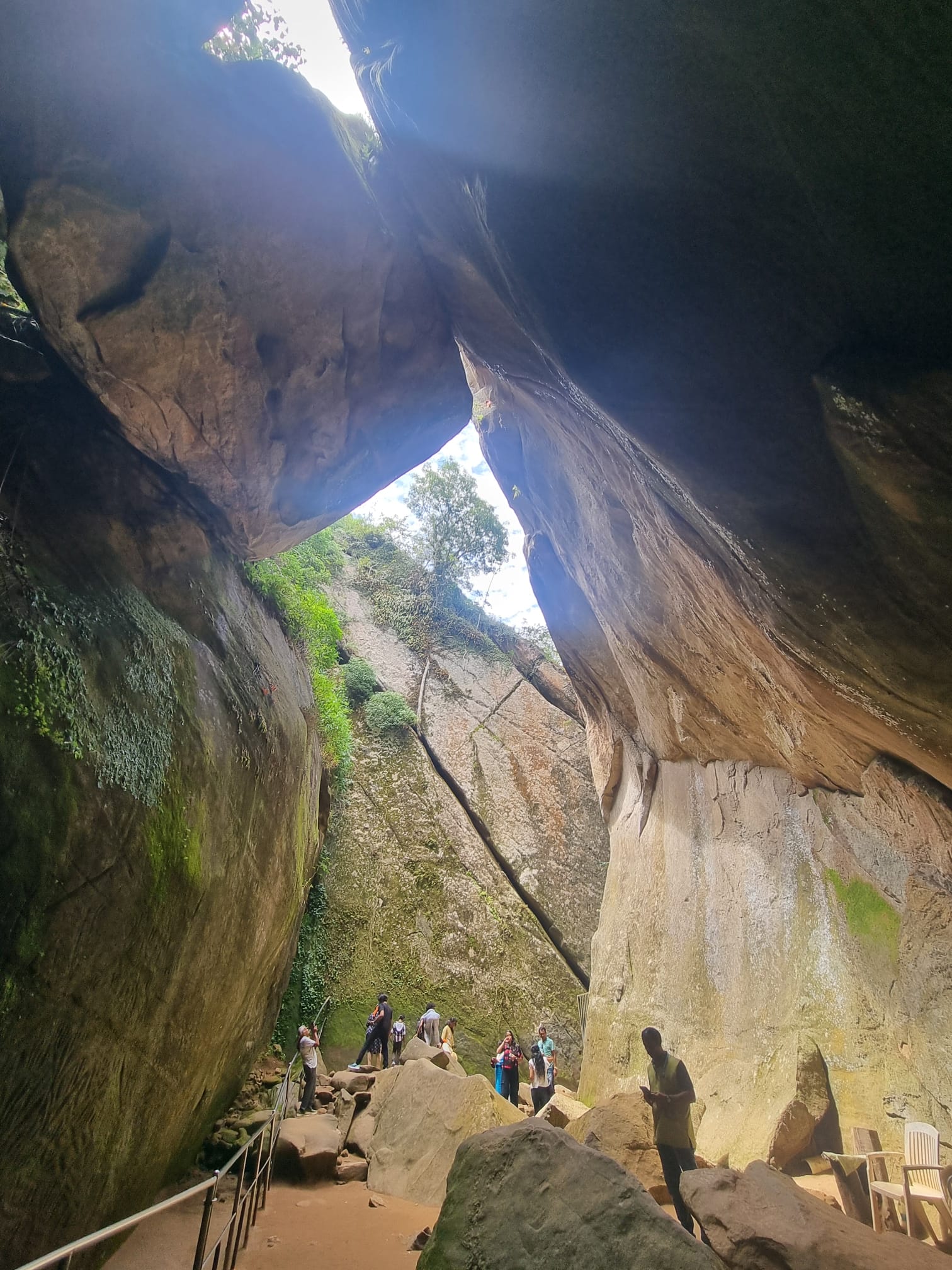
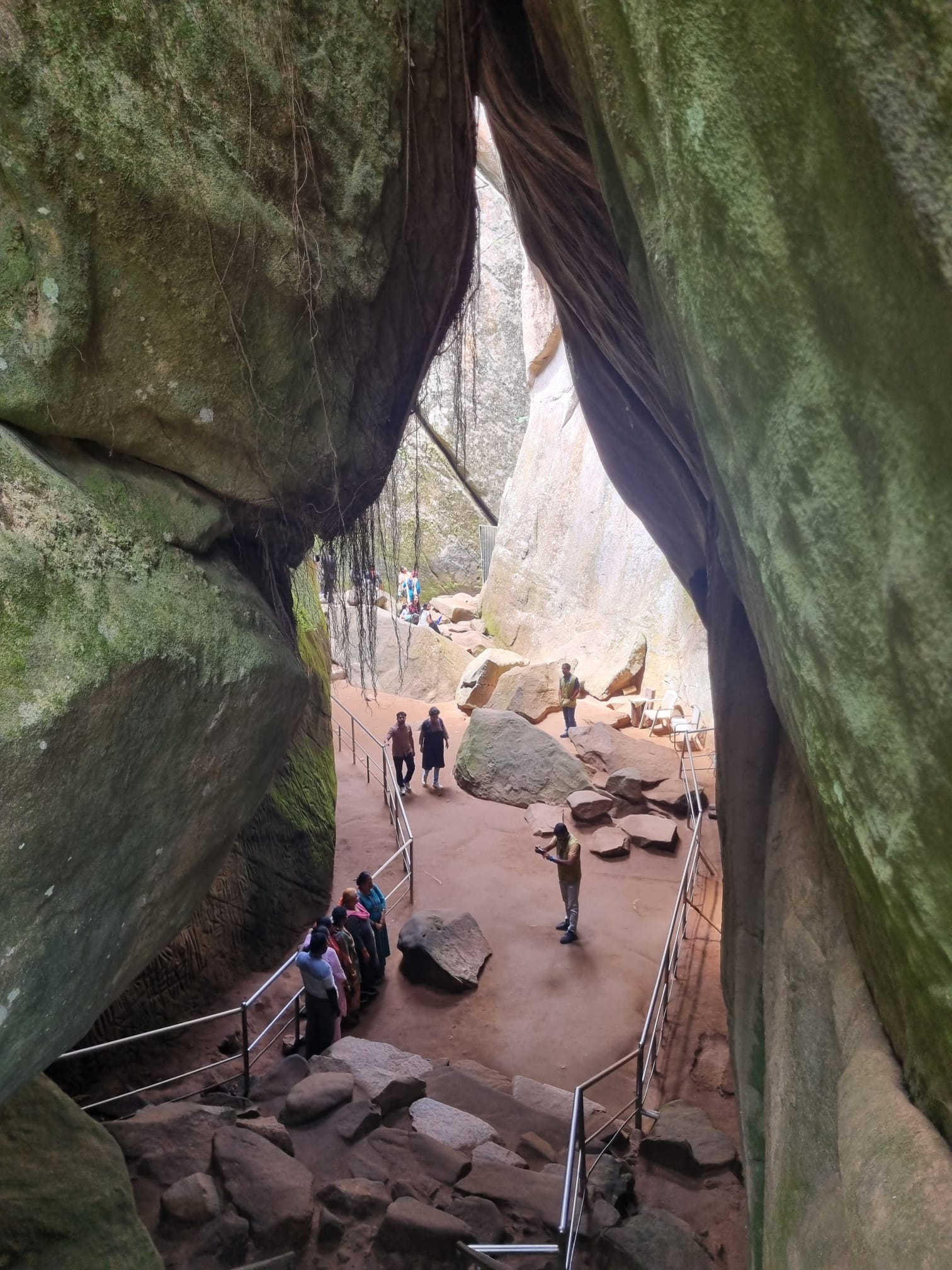
We noticed that many visitors chose not to continue to the second cave, probably because they had already used up much of their energy getting there. We recommend allowing at least three hours for the entire visit, including the climb, descent, stops and exploration of both caves. This is not a quick attraction that you can squeeze between two other sightseeing stops. Comfortable walking shoes with good grip, water and a little patience are essential. Visitors with mobility issues or those who are not used to physical exertion should also consider the difficulty of the trail before setting off.
The Carvings Are Not Easy to Spot at First
One of the most interesting moments of the visit is discovering the carvings. In the lower cave, the drawings are not always easy to see. Some become much clearer only when you look at the rock wall from a particular angle and at a certain distance. They are not images that immediately catch your eye. You have to look for them, move around and pay close attention to the surface of the rock.
It is an interesting experience because you gradually begin to distinguish figures and symbols that you had not noticed at first. You cannot help thinking that the people who made them lived thousands of years before us, yet their marks have survived on the very same stone.
The Beautiful View Before Reaching the Second Cave
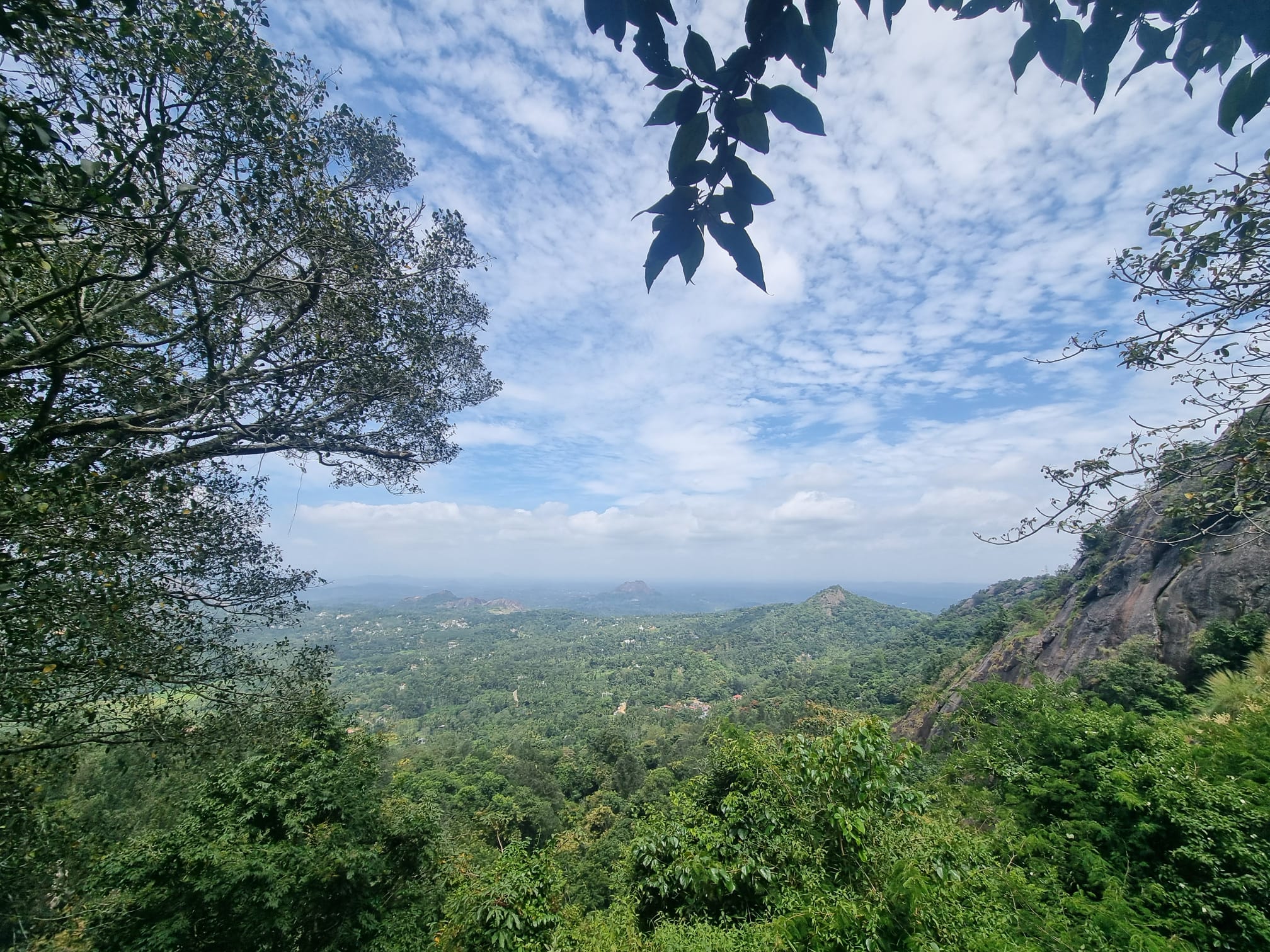
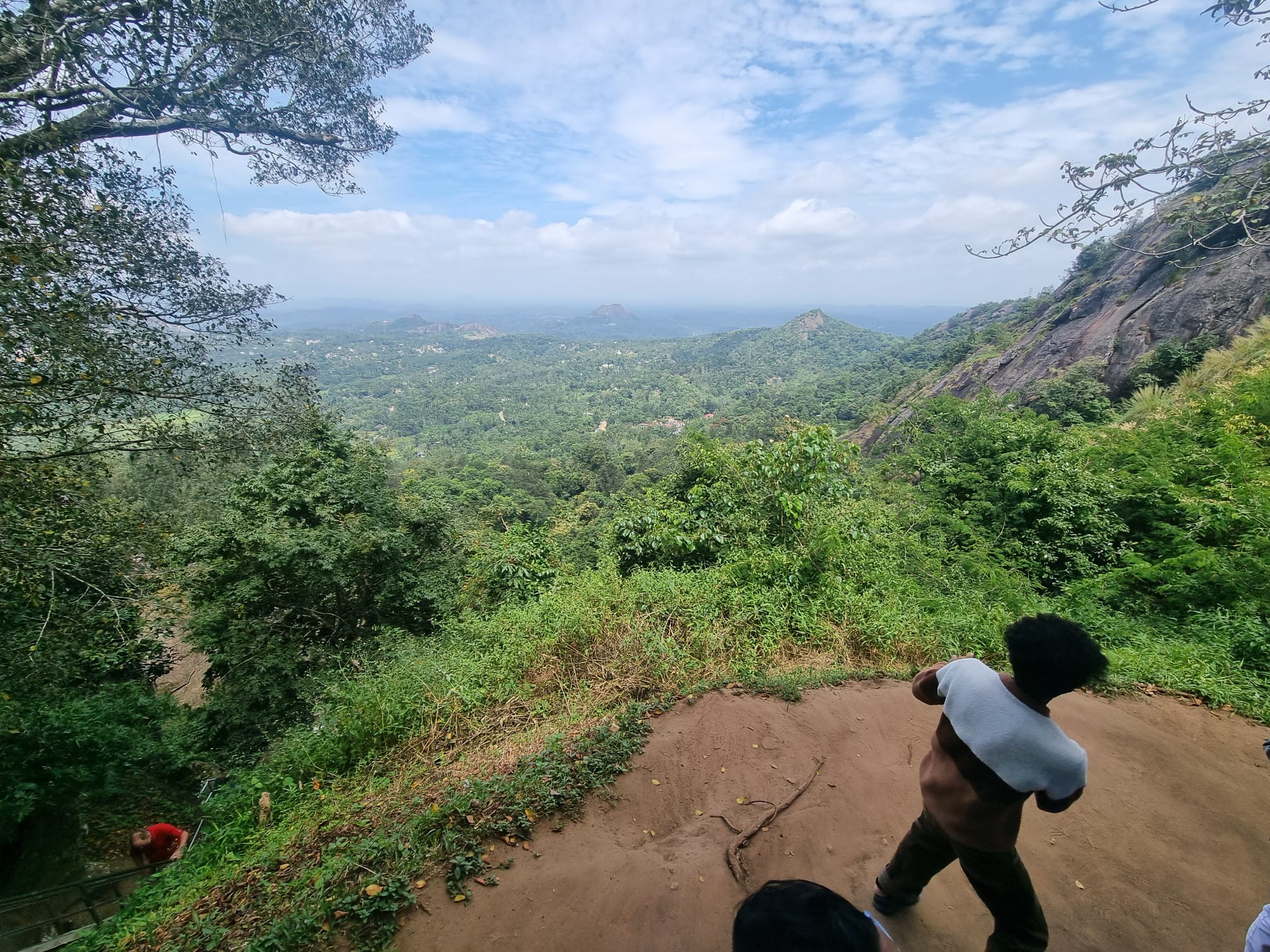
Another highlight of the visit is the view from above, just before the descent towards the second cave. A beautiful panorama opens up over the Wayanad landscape. The green hills, vegetation and valleys create a lovely contrast with the rocky formations you have just climbed. It is worth stopping here for a while, taking in the scenery and getting a few photographs before continuing along the trail. After the demanding climb, the view is one of the nicest rewards of the visit.
Monkeys, Food Stalls and Souvenirs: Edakkal Today
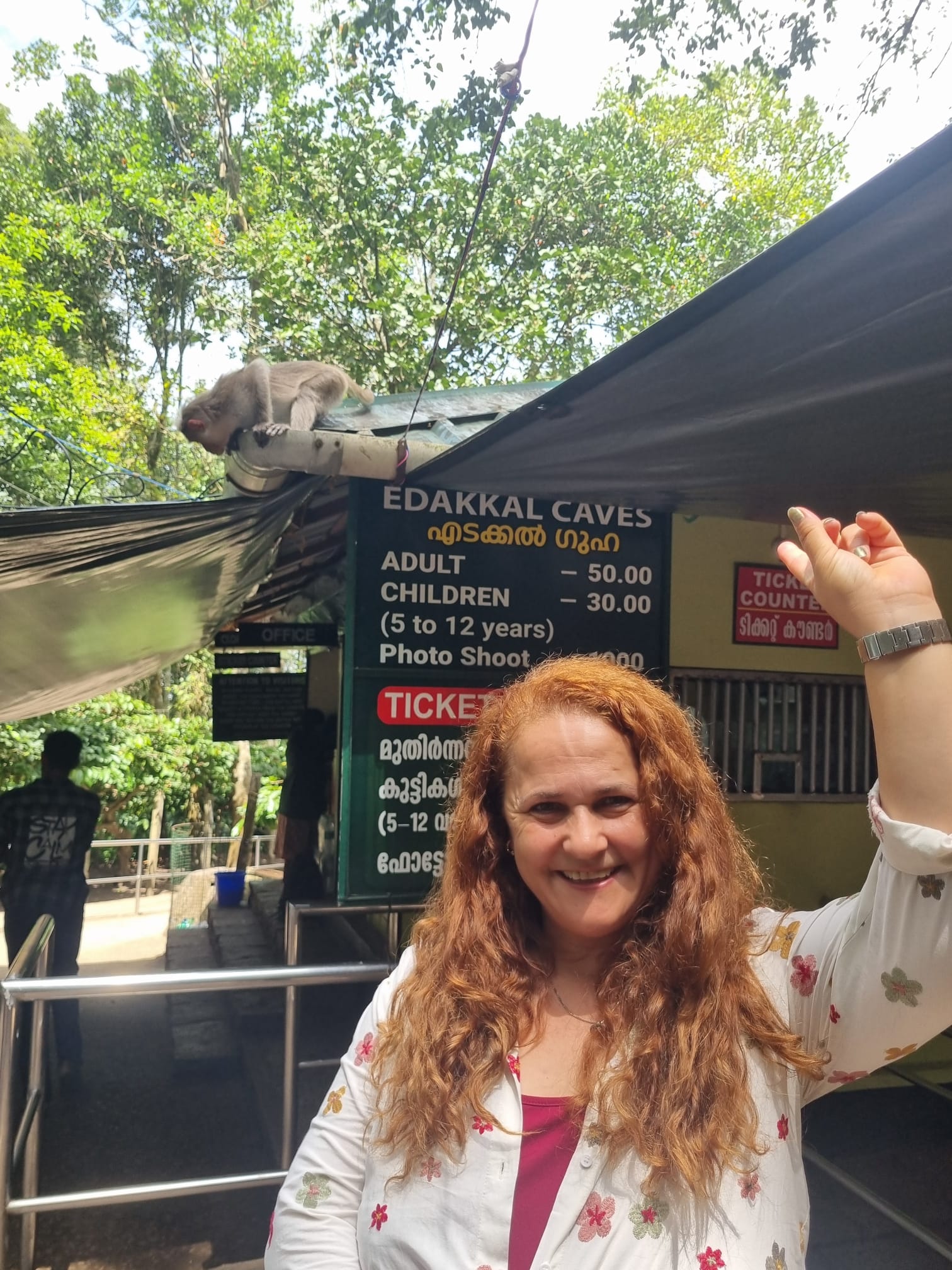
Edakkal is not just about history and archaeology. The path to the caves and the area at the foot of the hill have all the bustle of a popular Indian tourist attraction. Along the way and near the entrance, you will find stalls selling food, drinks and all kinds of souvenirs. Tourism-related businesses have naturally developed around a place that attracts so many visitors.
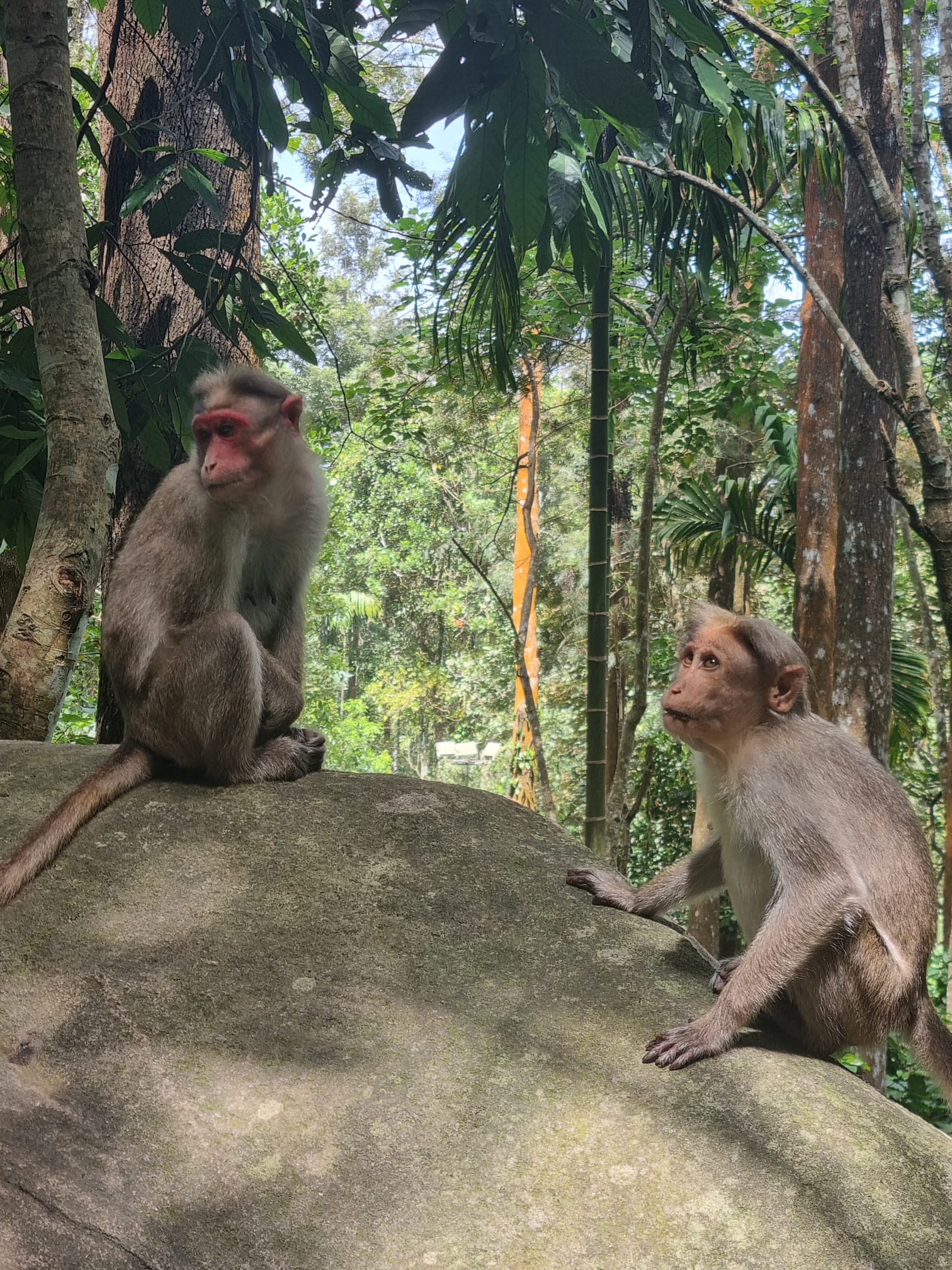
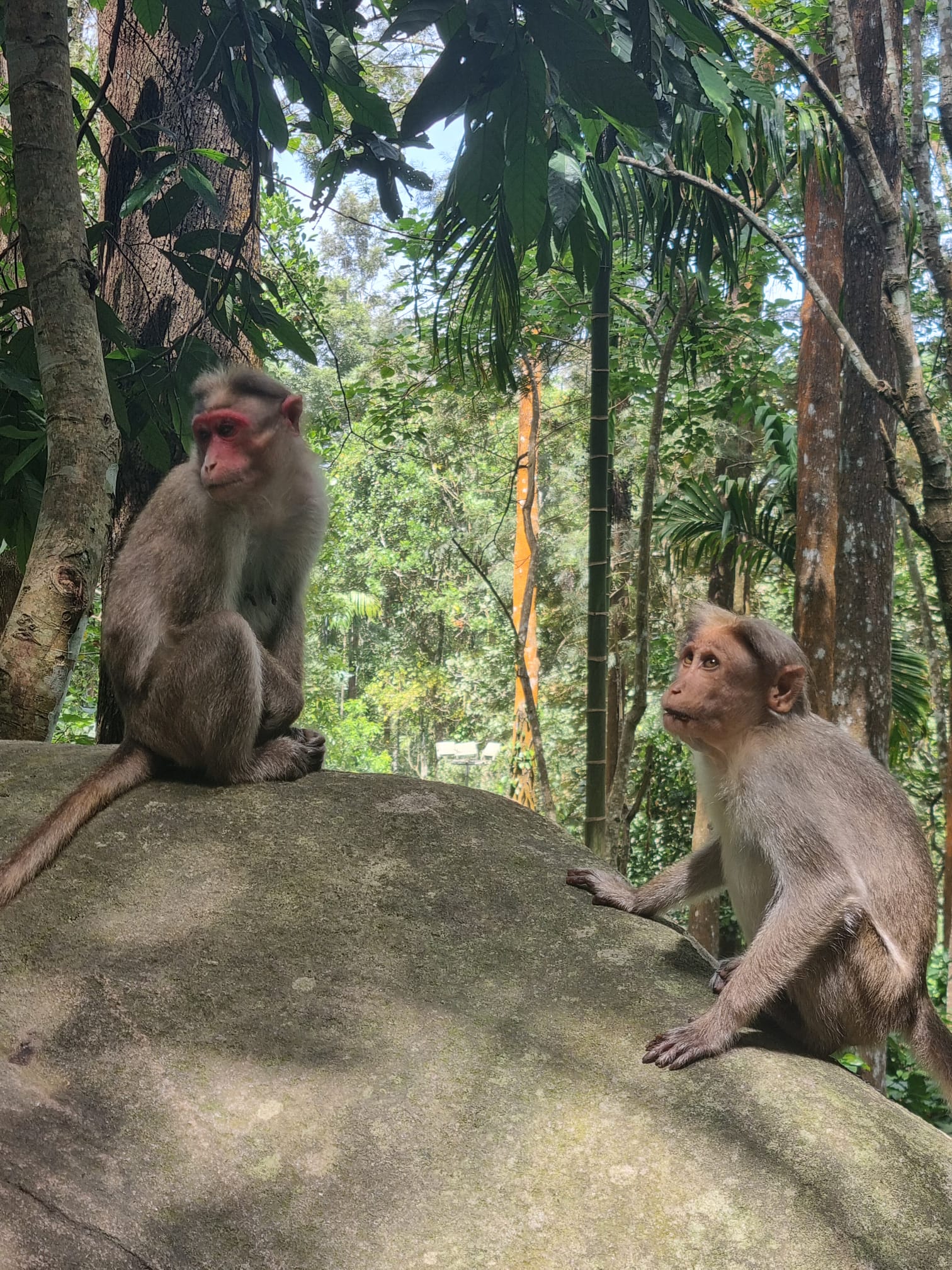
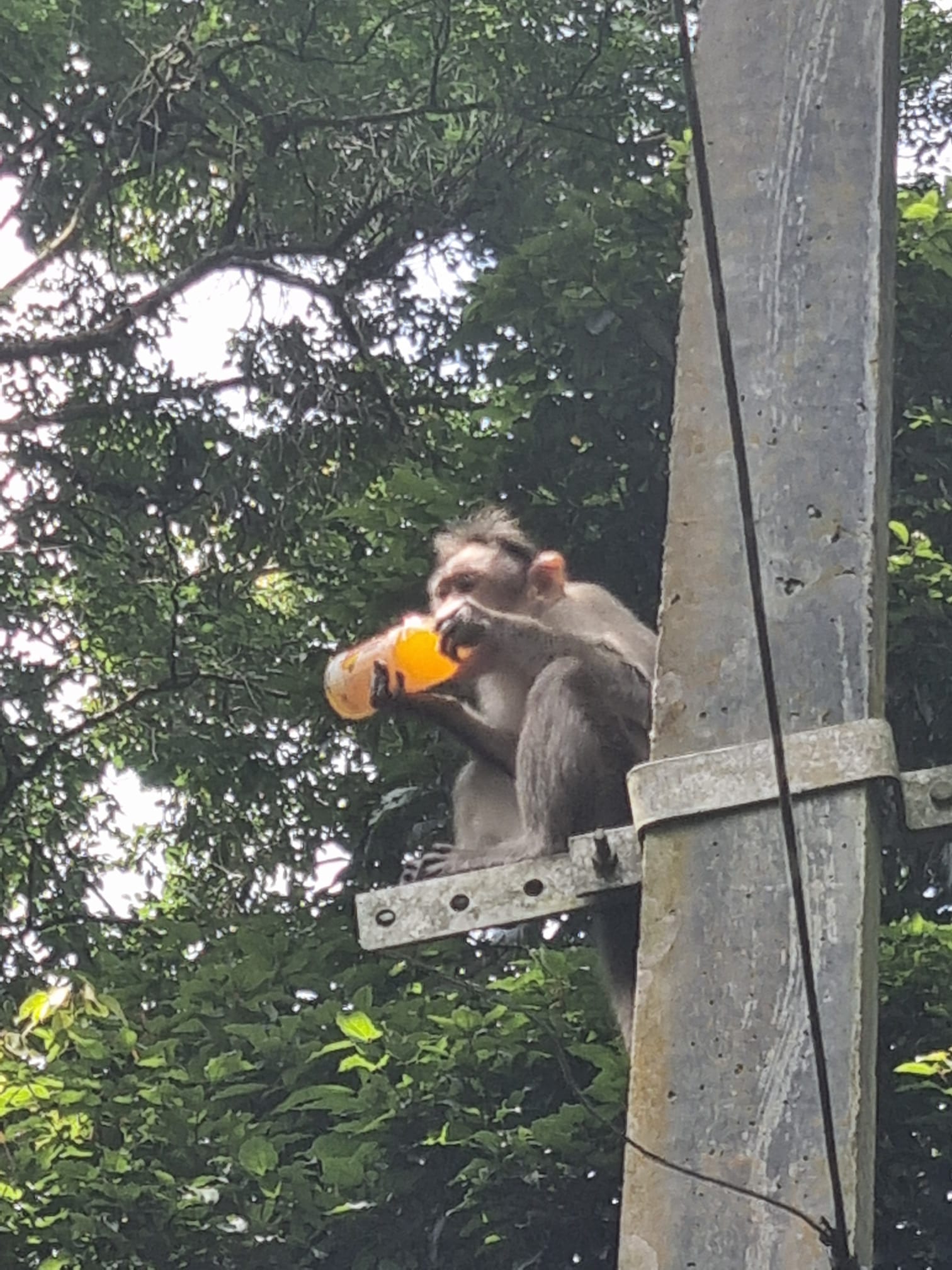
And let’s not forget the monkeys! You will see them around the area, and they seem to be part of the everyday scenery. They are particularly interested in the food carried by visitors, so keep an eye on your snacks and bags. The contrast is interesting. You come here to discover traces left by people who lived thousands of years ago, only to find the lively atmosphere of modern tourism around you, with vendors, souvenirs, food and visitors from all over the world.
That, too, is part of the experience.
Are Edakkal Caves Worth Visiting?
Yes, but it is important to know what to expect before you go.
Edakkal Caves is a site of considerable historical importance, and its prehistoric carvings offer a rare glimpse into the communities that lived in this part of India thousands of years ago. However, the visit is not easy. The climb is demanding, some of the steps can be challenging, and you will need more time than you might initially expect. For us, the combination of history, mysterious carvings, beautiful views and the atmosphere of the place made the experience an interesting one.
If you are visiting Wayanad and are prepared for a serious physical effort, Edakkal deserves a place on your itinerary. Just don’t treat it as a quick stop lasting a few minutes. After all, you don’t get many opportunities to visit a place where people left their marks on stone thousands of years ago.