
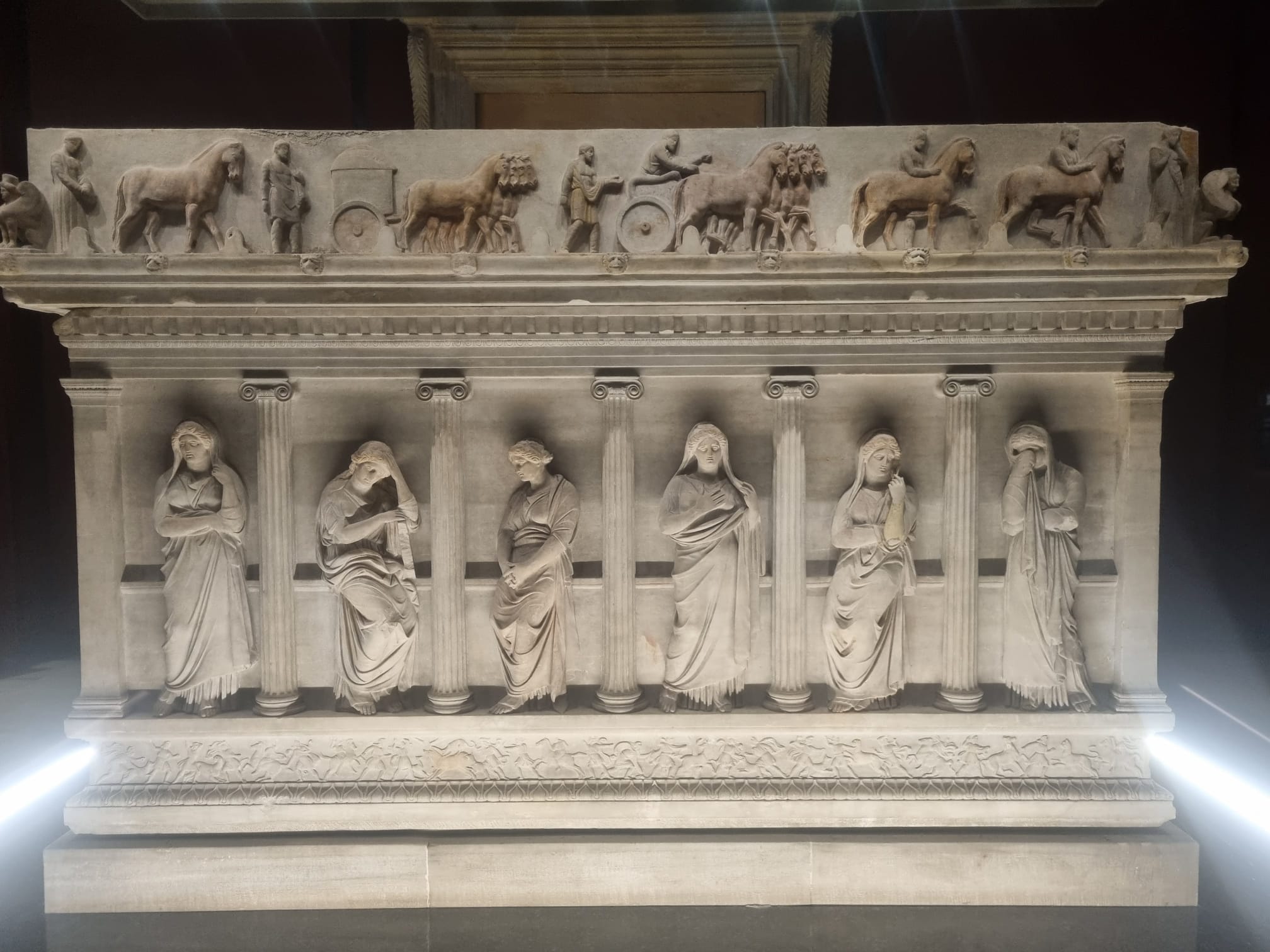
The Istanbul Archaeology Museum. A journey through the city’s history
A brief history of the city of Istanbul — from Byzantion to the modern metropolis
Istanbul is one of the oldest and most influential cities in the world. Founded in the 7th century BC by the Greeks under the name Byzantion, the city later became part of the Roman Empire. A decisive moment came in the 4th century AD, when Constantine the Great transformed the city into an imperial capital, renaming it Constantinople.
In 1453, the city was conquered by the Ottomans under Sultan Mehmed II the Conqueror, marking the beginning of more than four centuries of Ottoman rule. Under leaders such as Suleiman the Magnificent, Constantinople became a major political, religious, and economic center of the Islamic world.
This Greek, Roman, Byzantine, and Ottoman heritage explains the architectural and cultural richness that visitors discover in Istanbul today.
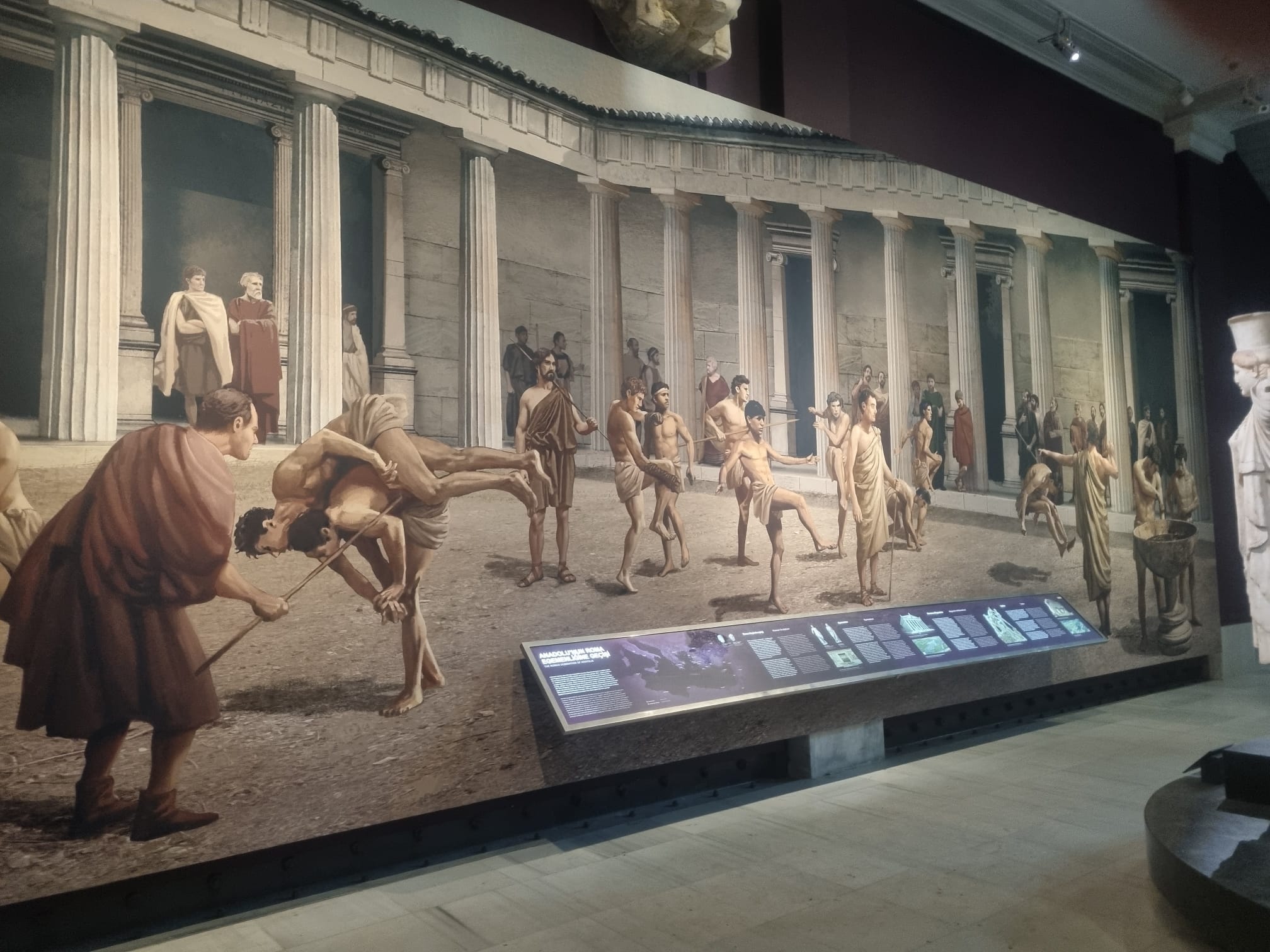
Important rulers who shaped the city’s history
- Greek period: Byzas, the legendary founder.
- Roman era: Constantine I (Constantine the Great).
- Byzantine Empire: Justinian I, renowned for the reconstruction of Hagia Sophia.
- Ottoman Empire: Mehmed II and Suleiman I.
They represent the successive transformations that made Istanbul a strategic city between Europe and Asia.
The importance of Istanbul for Europe and the Mediterranean region
For more than two millennia, Istanbul has controlled trade routes between the Mediterranean Sea, the Black Sea, and the East. It was a decisive hub for:
- the Crusades,
- commercial and diplomatic exchanges,
- the development of arts and sciences,
- the European geopolitical balance during the Ottoman era.
Its influence can still be seen today in its architectural heritage and museum collections, including the Istanbul Archaeology Museum, one of the most important museums in Turkey and in the world.
Istanbul today — a modern metropolis and major tourist destination
Today, Istanbul is a vibrant metropolis where tradition blends harmoniously with modernity. The historic Sultanahmet district, Topkapı Palace, and Gülhane Park attract millions of tourists annually. Right next to Gülhane Park lies the famous Istanbul Archaeology Museum (İstanbul Arkeoloji Müzeleri), a must-see for lovers of history and culture.
The Istanbul Archaeology Museum is a major complex consisting of three institutions:
- The Archaeology Museum – the main building
- The Museum of the Ancient Orient
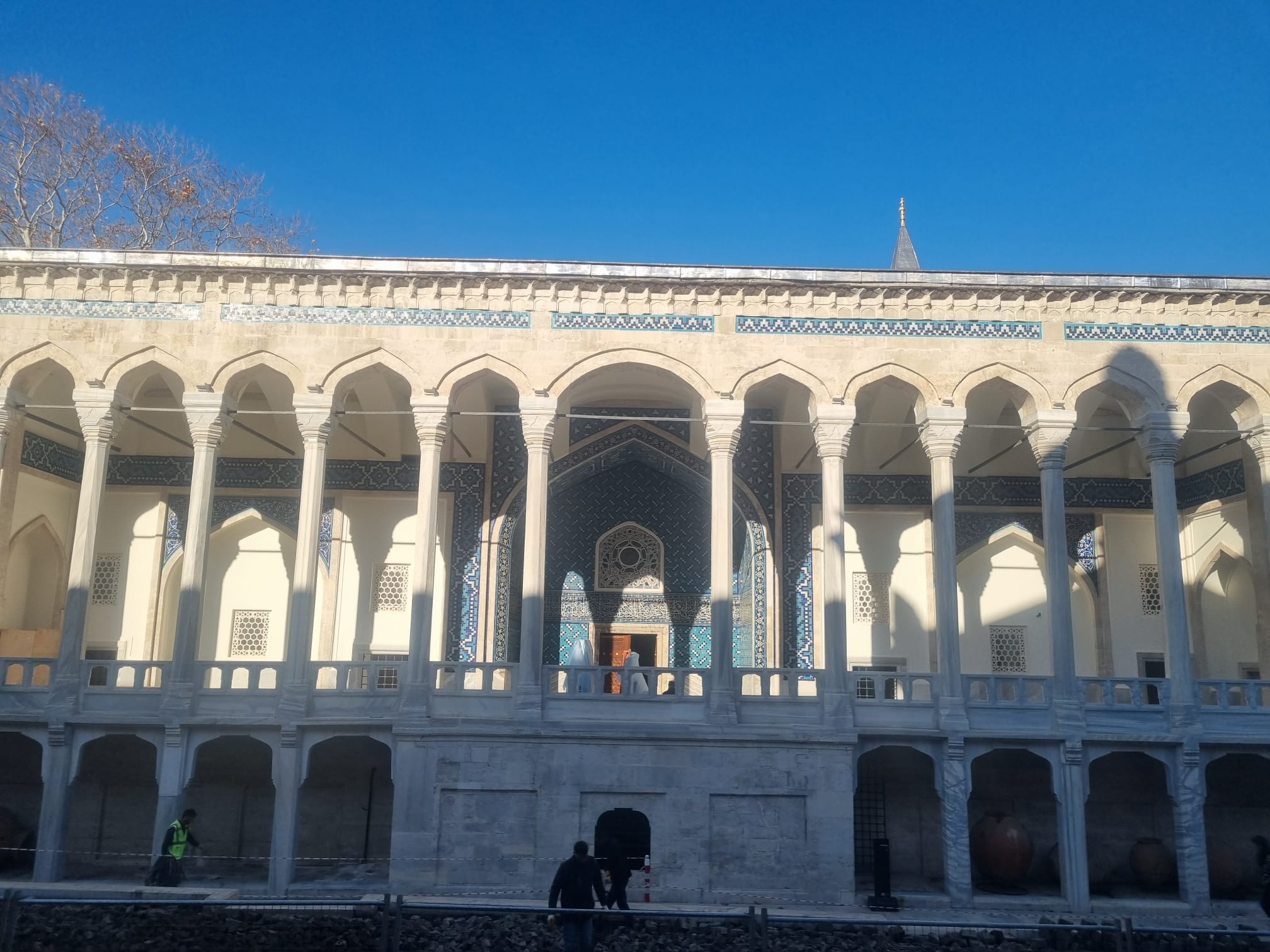
- Çinili Köşk (The Tiled Kiosk) – dedicated to Ottoman ceramics and Islamic art
Founded in its modern form at the end of the 19th century by the visionary Osman Hamdi Bey, the museum today houses over one million artifacts from across the former Ottoman Empire.
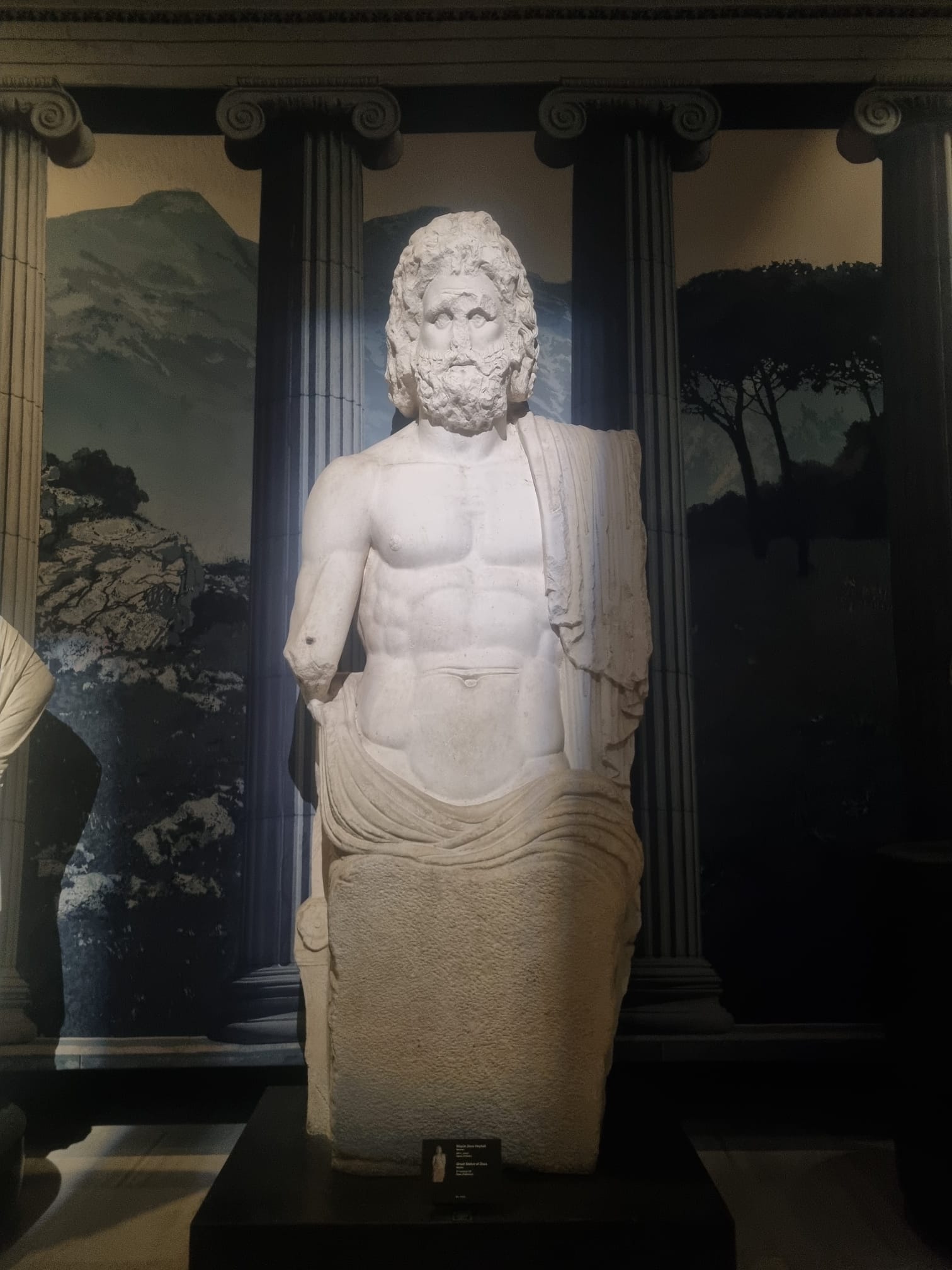
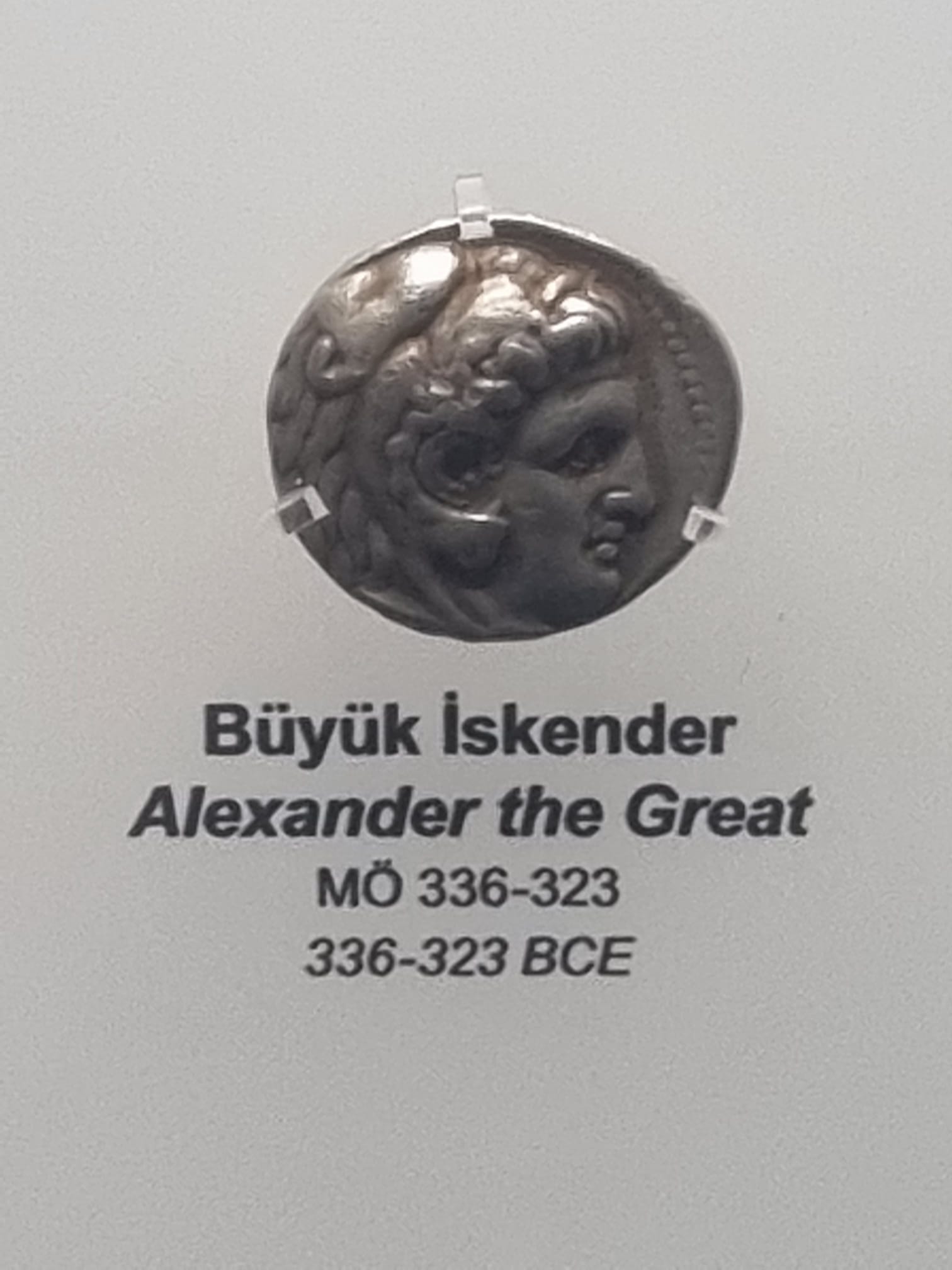
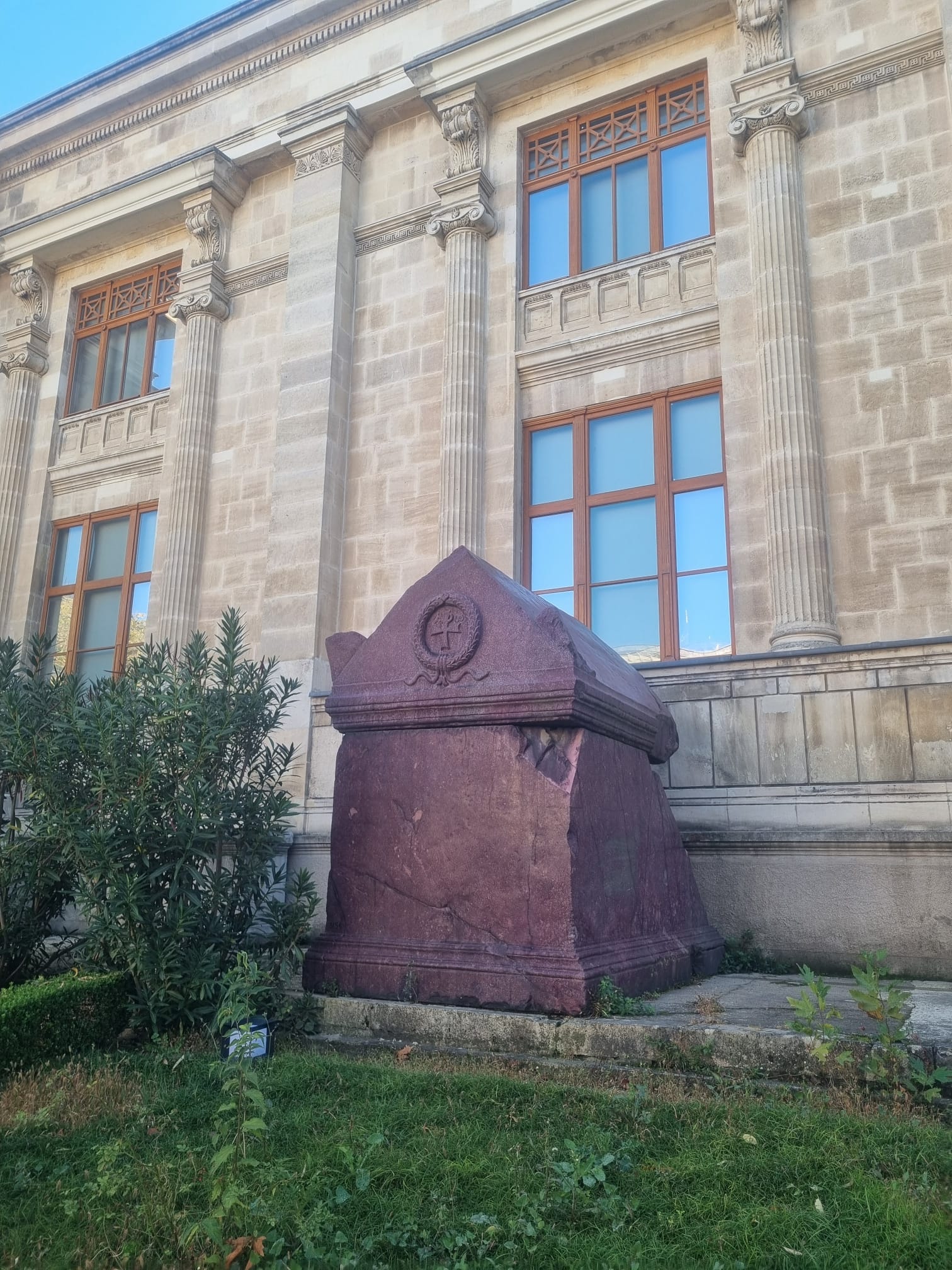
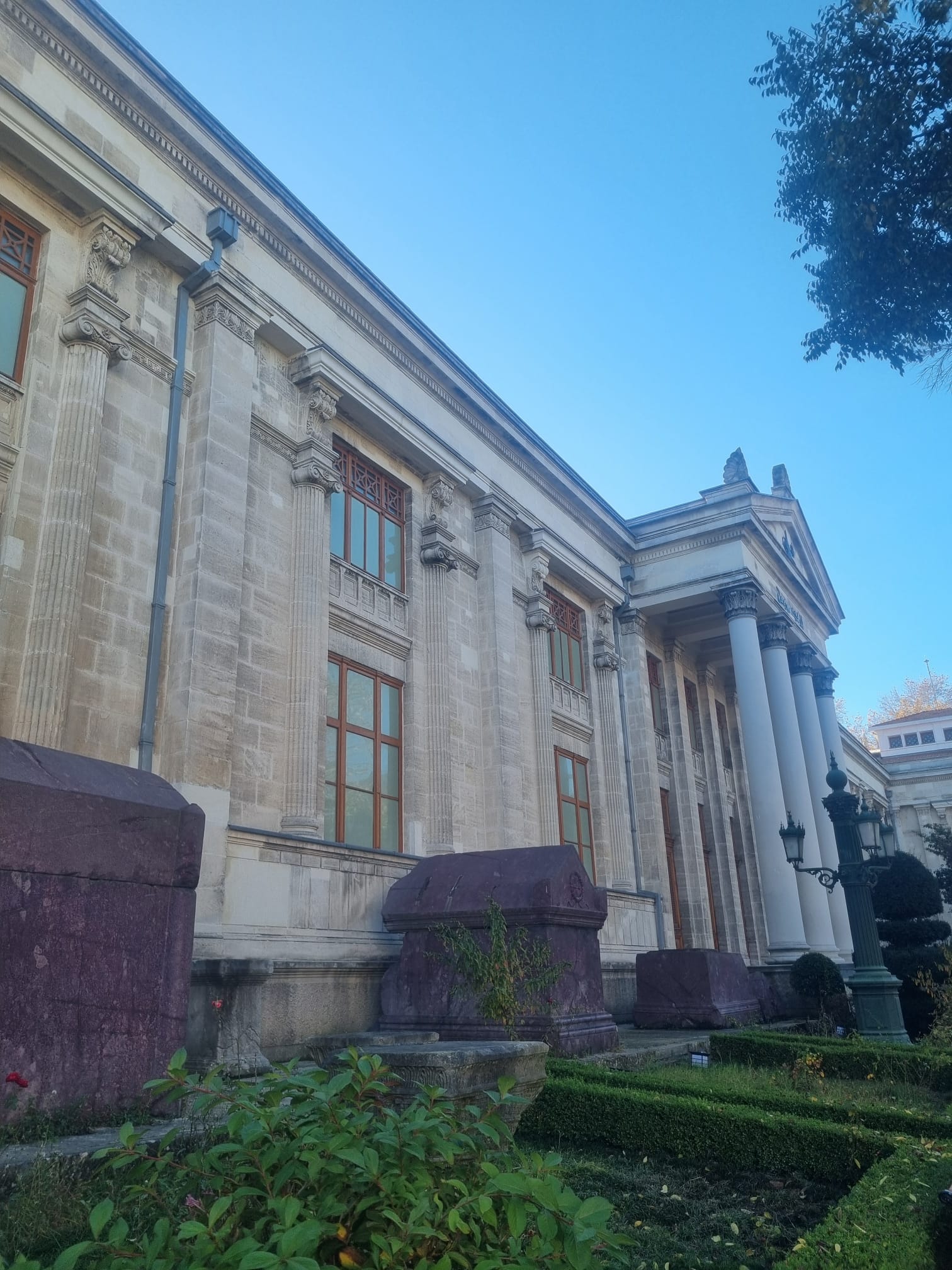
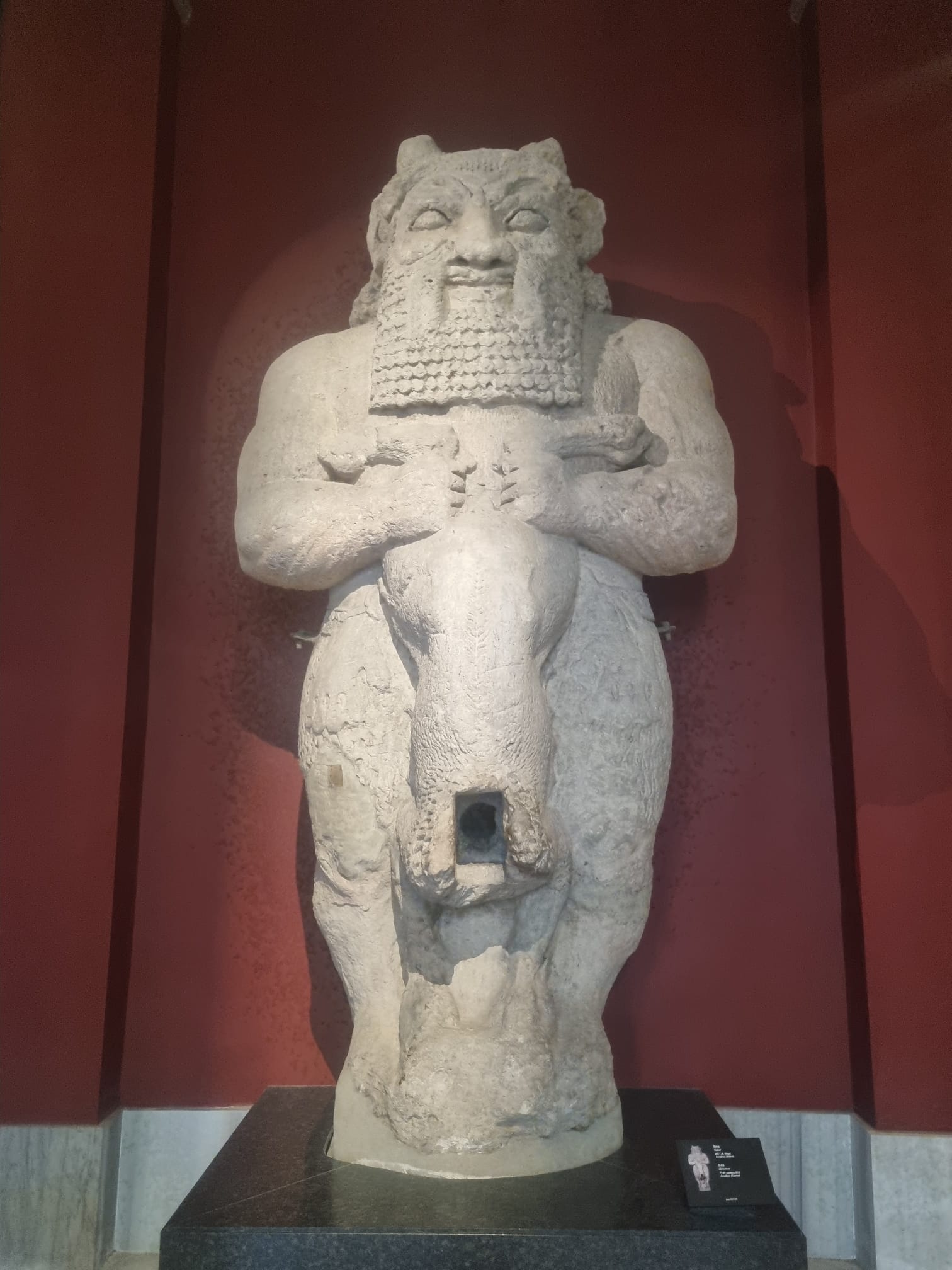
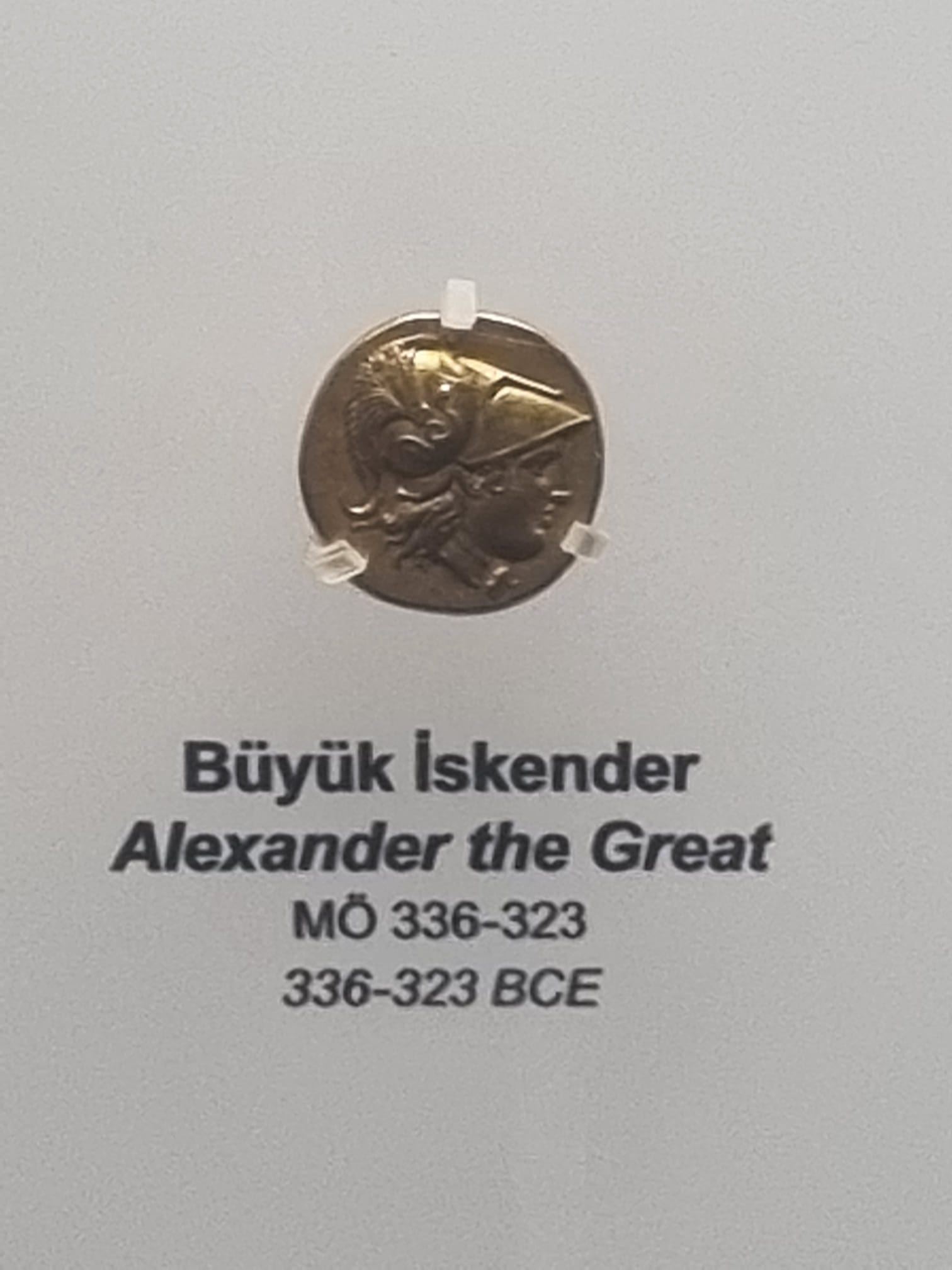
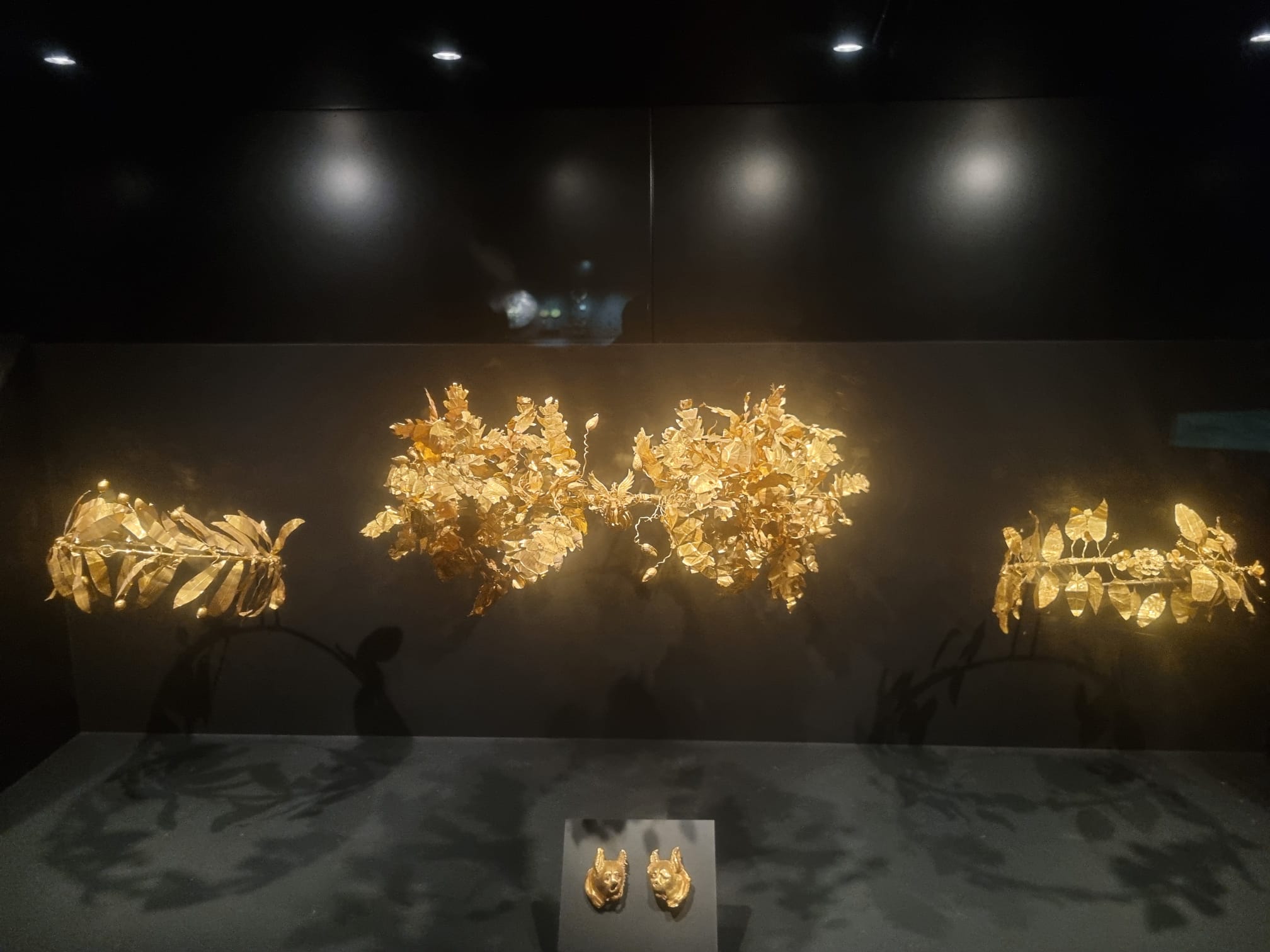
The Istanbul Archaeology Museum is rightly considered one of the largest and most valuable archaeological museums in the world — a place where more than five millennia of history come alive before the eyes of visitors. The museum complex impresses with its extraordinary diversity, covering a vast geographical and cultural area. Inside are famous collections of sarcophagi, cuneiform tablets, Greek and Roman statues, as well as original fragments from historical monuments such as the Ishtar Gate of Babylon, one of the most iconic structures of the ancient world. In addition, the museum preserves objects from the major centers of Near Eastern civilizations — Mesopotamia, Anatolia, the Levant, and Egypt — each artifact bearing witness to the cultural, religious, and political evolution of the region.
Visiting the museum offers a unique perspective on the interconnections between the civilizations that shaped the history of the Mediterranean and the East. Each hall is designed to recreate the atmosphere of the era from which its artifacts originate, and the quality of the exhibits allows for a profound understanding of the past, from the great empires of Antiquity to the societies that influenced the formation of the modern world. For culture lovers, history enthusiasts, or tourists wishing to discover the essence of Istanbul, the museum is an essential stop and a memorable cultural experience.
Key exhibits — not to be missed
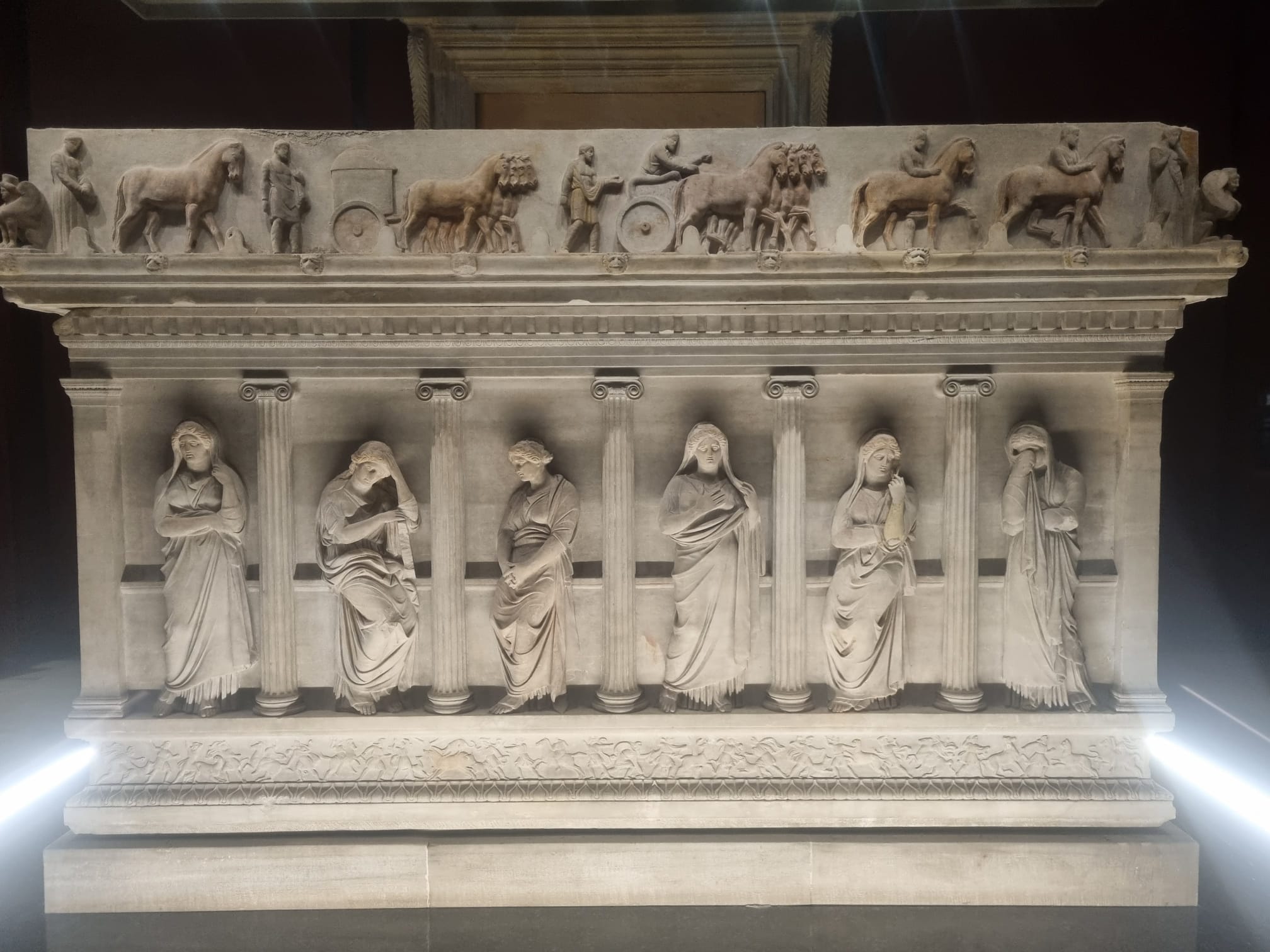
- Alexander Sarcophagus – A magnificent sarcophagus discovered in Sidon, famous for its sculpted battle and hunting scenes.
- The Kadesh Treaty Tablets – Copies of the oldest known peace treaty (13th century BC), concluded between the Egyptians and the Hittites.
- Royal sarcophagi from Sidon – Especially the sarcophagus of Tabnit, extremely well preserved.
- Fragments of the Ishtar Gate – Rare Babylonian exhibits made using glazed brick techniques.
- Troy Exhibition – Impressive artifacts illustrating the region’s history and its connection to the legend of the Trojan War.
Practical information for visitors
- Location – In the Eminönü district, next to Gülhane Park and Topkapı Palace — easy access from Sultanahmet.
- Opening hours – Generally daily from 09:00–18:30, with seasonal variations. It is recommended to check updated schedules.
- Tickets – Prices vary by season. The Museum Card is accepted and is a convenient option for tourists.
Frequently asked questions about the Istanbul Archaeology Museum
- Is the Istanbul Archaeology Museum worth visiting?
Yes. It is one of the richest museums in the world, ideal for lovers of history, culture, and ancient civilizations. - How many hours are needed for a visit?
I recommend between 2 and 3 hours to see the main sections. - Which exhibits are a must-see?
The Alexander Sarcophagus, the Kadesh Treaty tablets, the royal sarcophagi from Sidon, and the Ishtar Gate fragments. - Where is the museum located?
Next to Topkapı Palace, in the Gülhane area, very close to Sultanahmet. - Is the Museum Card accepted?
Yes, the Museum Card is accepted and is the most advantageous option for tourists.
The Istanbul Archaeology Museum is an essential destination for any traveler who wants to understand the fascinating history of the city and the civilizations that shaped it. If you are planning a visit to Istanbul, include it in your itinerary and allow at least two hours to discover its most valuable exhibits. For more travel recommendations, guides, and itineraries, explore the other articles on CalatoriaPerfecta.ro.